

Industry News
 29 2026-09
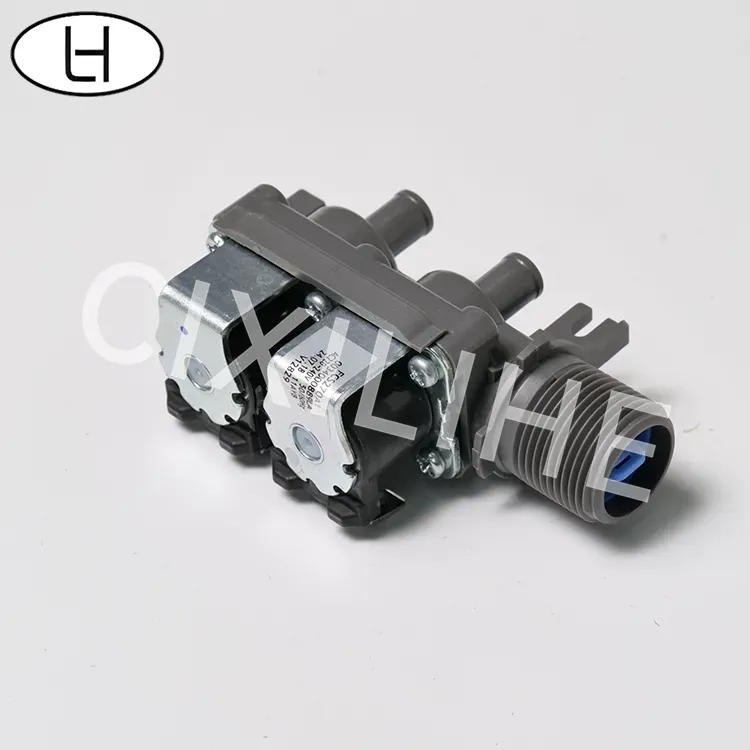
 How Can a Fully Automatic Washing Machine Solenoid Valve Improve Water Control and Washing Performance
LIHE specializes in the research, development, and manufacturing of reliable washing machine components, including the Fully Automatic Washing Machine Solenoid Valve. Designed for stable water inlet control, fast response, low power consumption, and long operating life, this component supports both OEM production and replacement applications for fully automatic washing machines.
 23 2026-09
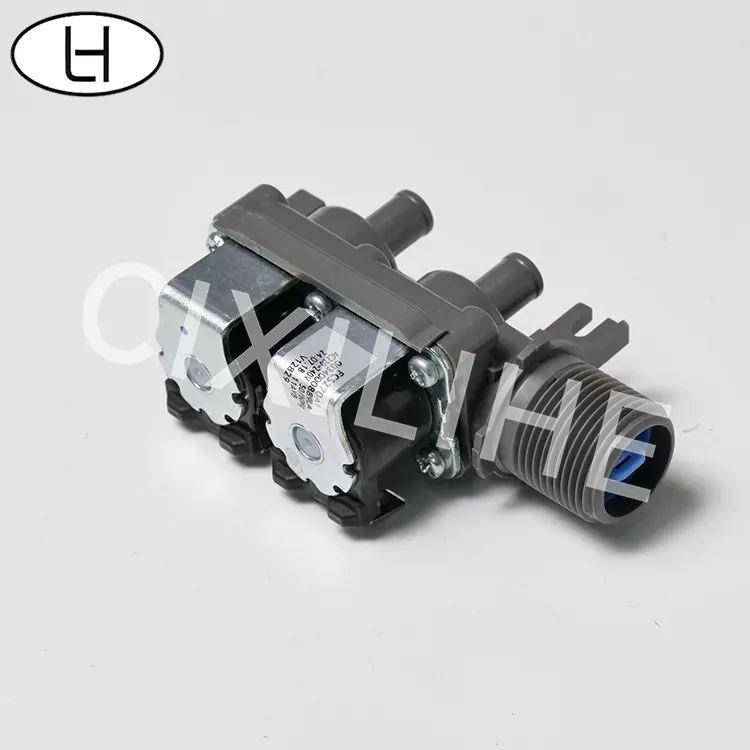
 How Can a Fully Automatic Washing Machine Solenoid Valve Improve Washer Reliability and Water Control
Lihe manufactures the Fully Automatic Washing Machine Solenoid Valve for stable water inlet control in modern washing machines. Designed with dual independent channels, copper coils, corrosion-resistant materials, and rapid response performance, this component supports reliable water management for OEM production, appliance maintenance, and replacement applications.
 15 2026-09
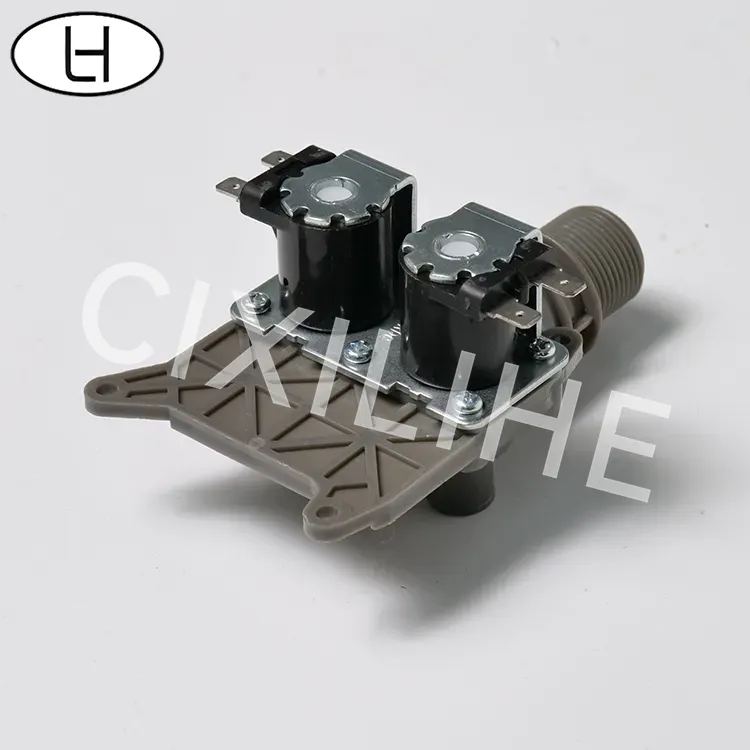
 Why Is a Gray Double Washing Machine Water Inlet Valve Essential for Reliable Washer Water Control
The Gray Double Washing Machine Water Inlet Valve supplied by CIXI LIHE is designed for automatic washing machines, combining corrosion-resistant materials, responsive water control, reliable sealing, and long operating life. This guide explains how a double inlet valve works, what specifications matter, how to select the right valve, and why quality control is critical for replacement-part buyers and washing machine manufacturers.
 08 2026-09
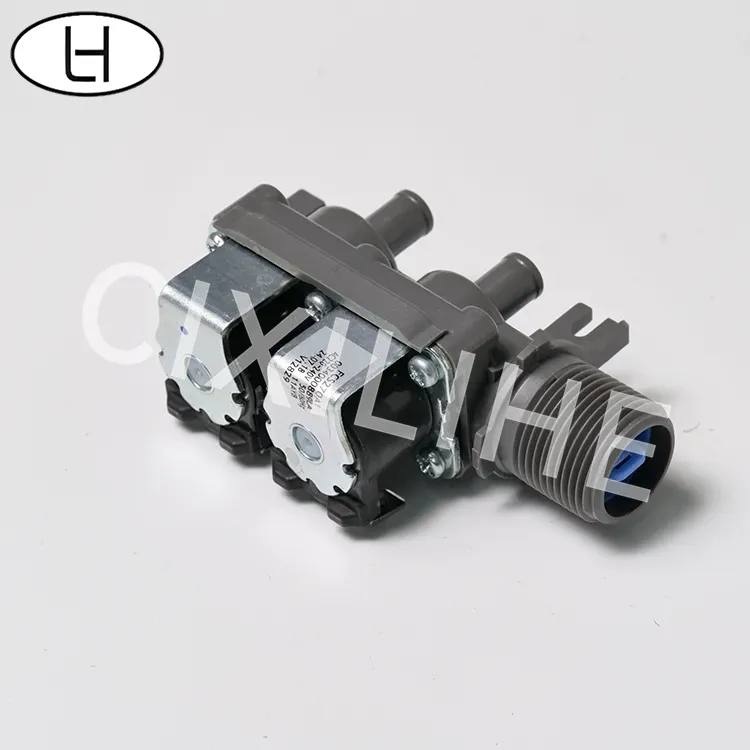
 How Can a Fully Automatic Washing Machine Solenoid Valve Improve Washing Machine Performance
Fully Automatic Washing Machine Solenoid Valve is a key water-control component that directly influences filling accuracy, operating efficiency, leakage prevention, and the overall reliability of an automatic washing machine. As a professional washing machine parts manufacturer, CIXI LIHE provides solenoid valve solutions designed for stable water control, fast response, reliable sealing, and long-term operation, making them suitable for washing machine manufacturers, OEM customers, distributors, and replacement-part suppliers.
 27 2026-08
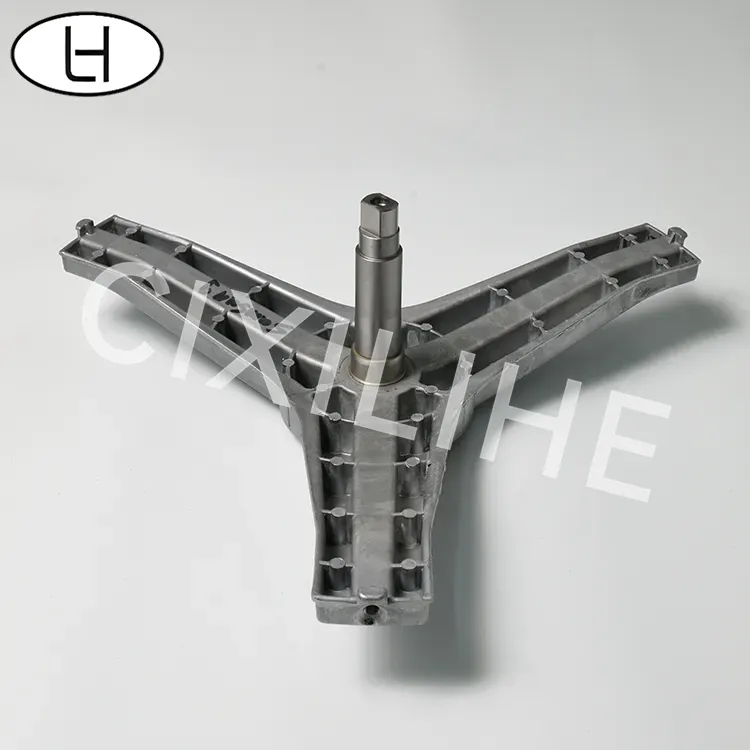
 How Does an Aluminium Washing Machine Drum Spider Improve Washing Machine Performance?
The aluminium washing machine drum spider is a critical structural component that directly affects drum stability, rotation efficiency, vibration control, and the overall service life of a washing machine. As modern washing machines continue to operate at higher spin speeds and handle larger laundry loads, manufacturers require stronger, lighter, and more reliable drum support solutions.
 26 2026-08
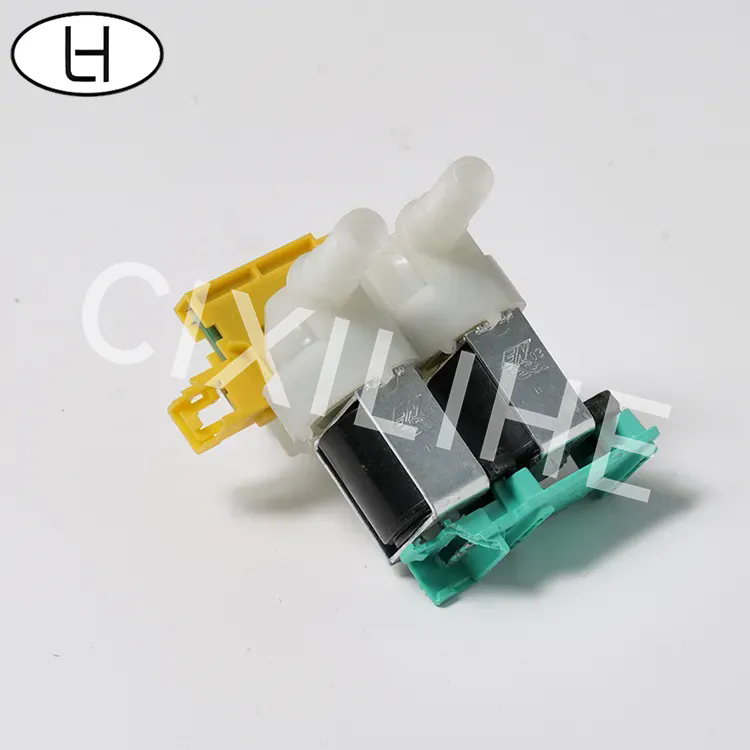
 How Does a 2 Way Washing Machine Solenoid Valve Improve Water Control?
A reliable 2 Way Washing Machine Solenoid Valve is essential for controlling water intake in fully automatic washing machines. It determines when water enters the appliance, helps maintain stable filling performance, and supports reliable washing cycles. This guide explains how the valve works, which technical factors matter when selecting one, common failure symptoms, installation considerations, maintenance practices, and how manufacturers and repair professionals can choose a dependable component for long-term use.