
How Can a Pressure Proof Washing Machine Solenoid Valve Improve Water Control and Washing Machine Reliability
Article Summary: A reliable water control system is essential for washing machine performance, and the Pressure Proof Washing Machine Solenoid Valve from LIHE is designed to support stable water filling under varying inlet pressure conditions. Featuring an ABS and metal construction, an AC100–240V power supply range, and a specified working pressure range of 0.02–1.0 MPa, this valve is suitable for a range of automatic washing machine applications. This guide explains its operating principle, technical specifications, selection criteria, installation considerations, and maintenance practices to help appliance manufacturers, distributors, and replacement-parts buyers make informed purchasing decisions.
Table of Contents
1. What Is a Pressure Proof Washing Machine Solenoid Valve?
2. How Does the Valve Control Water Flow?
3. What Are the Key Features of the LIHE Valve?
4. Technical Specifications and Performance Parameters
5. Where Can This Solenoid Valve Be Used?
6. How Should Buyers Select the Right Solenoid Valve?
7. Installation and Maintenance Best Practices
8. Common Problems and Troubleshooting Methods
10. Conclusion: Choosing a Reliable Washing Machine Valve
What Is a Pressure Proof Washing Machine Solenoid Valve?
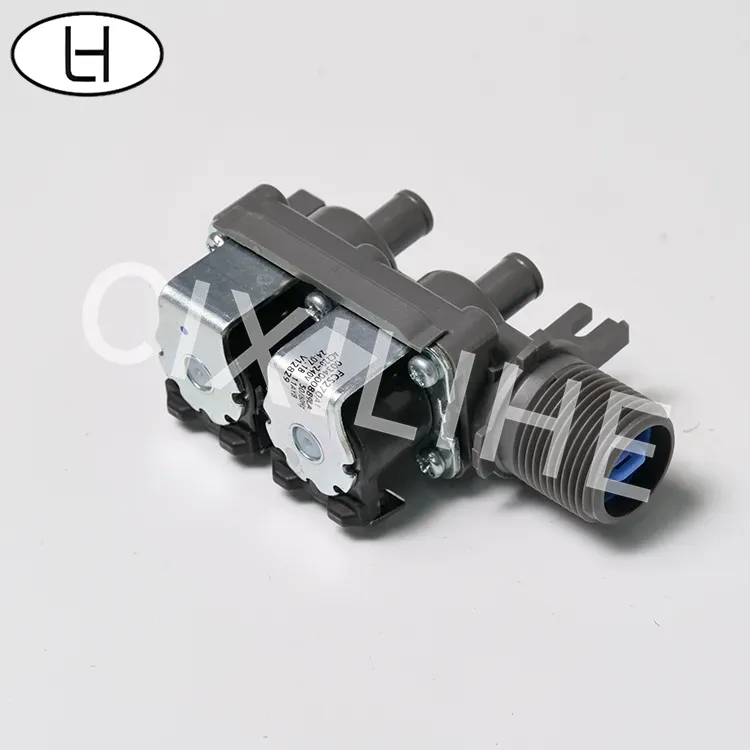
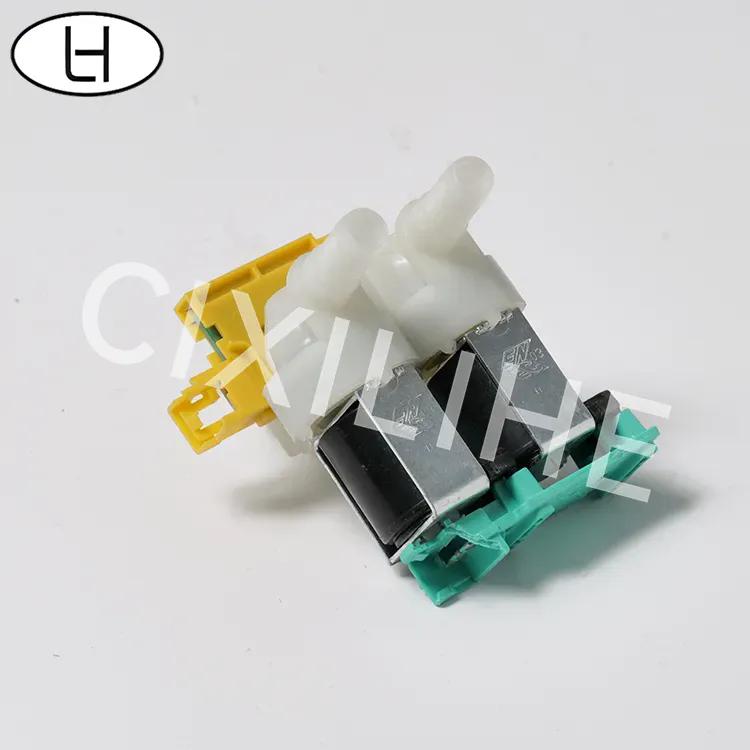
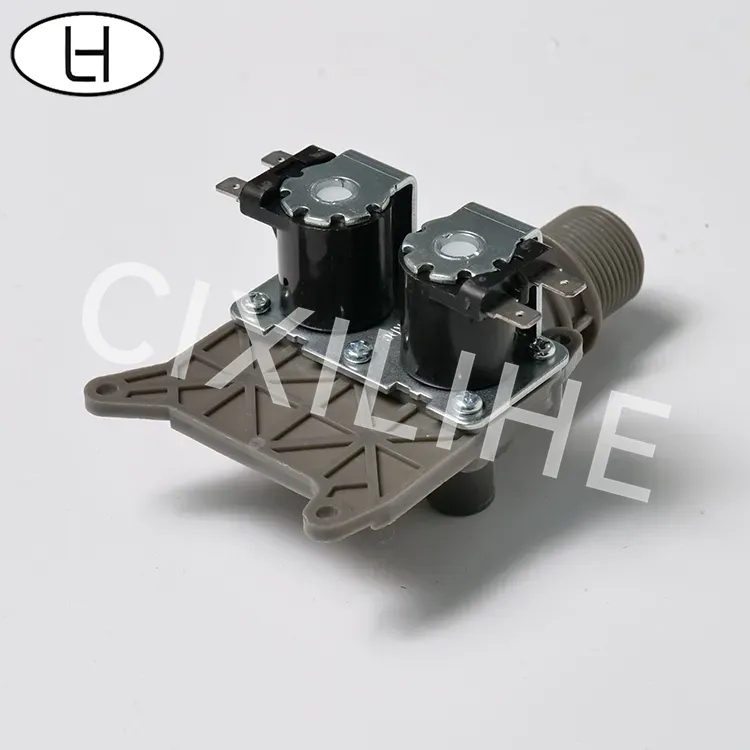
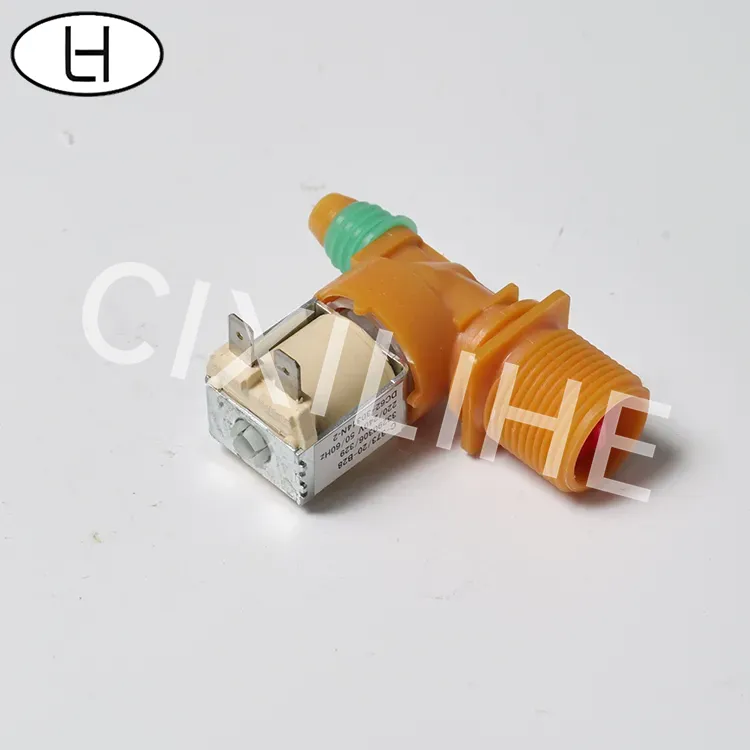
A Pressure Proof Washing Machine Solenoid Valve is an electrically controlled component that regulates the entry of water into a washing machine. It responds to electrical signals from the appliance's control system, opening or closing a water passage according to the requirements of the selected wash program.
Water supply conditions are not always consistent. Variations in municipal water pressure, plumbing arrangements, and simultaneous water consumption can affect filling performance. A suitably specified pressure-resistant valve helps maintain controlled water admission within its rated operating range.
LIHE, also known as Cixi LIHE, supplies washing machine components for appliance manufacturers, maintenance businesses, and wholesale buyers. Its pressure proof solenoid valve is designed for automatic washing machines, including front-loading and top-loading configurations, subject to compatibility with the specific appliance design.
The component combines an ABS and metal construction with a copper coil. These materials serve different functions: the housing provides structural support, metallic components contribute to the valve mechanism, and the coil generates the magnetic force required for actuation.
For buyers comparing replacement components, the most important factors are not simply the product name or appearance. Rated voltage, working pressure, connection dimensions, sealing performance, water temperature, and installation compatibility should all be verified before purchase.
How Does the Valve Control Water Flow?
The operating principle of a washing machine solenoid valve is based on electromagnetic actuation. When the washing machine controller sends the appropriate electrical signal, the coil generates a magnetic field that moves an internal mechanism, allowing water to pass through the valve. When the signal is removed, the mechanism returns to its closed position according to the valve's design.
The process generally follows these steps:
- Control signal: The washing machine controller determines when water is required and activates the valve circuit.
- Electromagnetic response: The energized coil creates a magnetic field that actuates the internal valve mechanism.
- Water admission: Water flows through the inlet and outlet passages while the valve remains open.
- Filling control: The washing machine's control system monitors the filling process using its designated sensing and control components.
- Flow shutoff: When the required filling condition is reached, the controller de-energizes the valve, allowing it to close.
A pressure-resistant design must also maintain appropriate sealing and mechanical performance under the specified water pressure. However, pressure resistance alone does not determine the accuracy of the washing machine's water-level control. The controller, pressure sensor or level switch, plumbing arrangement, and valve must operate as a compatible system.
To understand the broader role of this component, buyers can explore LIHE's washing machine parts and component solutions.
What Are the Key Features of the LIHE Valve?
The LIHE Pressure Proof Washing Machine Solenoid Valve is designed around practical requirements for appliance water control, including pressure tolerance, electrical compatibility, material durability, and convenient installation.
1. Wide Rated Working Pressure Range
The published working pressure range is 0.02–1.0 MPa. This specification helps buyers assess whether the valve is suitable for the intended water supply conditions. Actual performance depends on the installation, system design, and other operating parameters.
2. ABS and Metal Construction
The valve uses ABS and metal materials, with a copper coil identified in the product description. The material combination supports the different structural and electromagnetic requirements of the component. Material compatibility should still be considered when evaluating water quality, temperature, and long-term operating conditions.
3. AC100–240V Electrical Rating
The specified rated voltage is AC100–240V at 50/60Hz. This range can support different electrical supply environments, but buyers should confirm the exact model's electrical requirements and the washing machine's circuit design before installation.
4. Designed for Repeated Operation
LIHE lists a working life of at least 100,000 operating cycles. This provides a useful reference when comparing components for appliances that repeatedly fill and drain water during normal use. Actual service life depends on water quality, pressure conditions, switching frequency, installation quality, and maintenance.
5. Wholesale and OEM Purchasing Options
For appliance manufacturers and replacement-parts distributors, sourcing consistency is important. LIHE provides wholesale purchasing and OEM customization options. Sample availability and negotiable minimum order quantities can also help buyers evaluate product suitability before committing to larger orders.
- Pressure-resistant water control for compatible automatic washing machines.
- ABS and metal construction with a copper coil.
- Specified AC100–240V, 50/60Hz electrical rating.
- Published working life of at least 100,000 cycles.
- Support for bulk orders and OEM requirements.
Technical Specifications and Performance Parameters
Technical specifications provide a practical starting point for product evaluation. The following table summarizes the published parameters for the LIHE Pressure Proof Washing Machine Solenoid Valve, product code IV040.
| Parameter | Published Specification | Buyer Consideration |
|---|---|---|
| Product name | Pressure Proof Washing Machine Solenoid Valve | Confirm the intended application and model. |
| Product code | IV040 | Use the model code when requesting quotations or samples. |
| Rated voltage | AC100–240V | Verify compatibility with the appliance circuit. |
| Frequency | 50/60Hz | Match the specified electrical supply conditions. |
| Working pressure | 0.02–1.0 MPa | Confirm that actual inlet pressure stays within the rated range. |
| Medium temperature | 0–100°C, as published | Confirm temperature limits and permitted continuous operating conditions with the supplier. |
| Working life | At least 100,000 cycles | Check the applicable test conditions and cycle definition. |
| Materials | ABS + metal | Verify material and sealing compatibility with the application. |
| Color | White | Useful for visual identification and product matching. |
| Packaging | 60 pieces per carton | Confirm packaging requirements for the order. |
| Sample availability | Available for small quantities | Request a sample for fit and functional testing. |
| Minimum order quantity | Negotiable | Discuss the required quantity with the supplier. |
| Production lead time | 15–30 days, depending on order quantity | Confirm the production schedule before placing an order. |
| Payment terms | T/T or L/C at sight | Confirm the agreed commercial terms in the quotation. |
| FOB loading ports | Ningbo or Shanghai, China | Confirm the final shipping arrangement. |
Important: The values above reflect the published product information. They should not be interpreted as independently verified test results or as a guarantee of compatibility with every washing machine. Buyers should request the latest technical documentation, dimensional drawings, wiring details, and relevant test reports before finalizing a design or replacement order.
Where Can This Solenoid Valve Be Used?
A pressure proof washing machine solenoid valve is primarily intended for controlling water admission in compatible washing equipment. Its suitability depends on the appliance architecture, connection design, electrical interface, and operating conditions.
Automatic Front-Loading Washing Machines
Front-loading machines use controlled water admission as part of their programmed wash cycles. A compatible valve can support the filling process when the inlet pressure and electrical specifications meet the manufacturer's requirements.
Automatic Top-Loading Washing Machines
Top-loading machines also rely on electrically controlled water inlets. The appropriate valve must match the machine's required flow characteristics, mounting dimensions, and hose arrangement.
Appliance Manufacturing and Assembly
Manufacturers can evaluate the valve for integration into new washing machine models. Sample testing helps verify fit, water flow, sealing performance, electrical operation, and consistency across production batches.
Replacement Parts Distribution and Maintenance
Wholesalers, repair centers, and service organizations may source compatible valves for maintenance inventory. Correct model identification is essential because valves that look similar can differ in electrical ratings, outlet arrangements, flow characteristics, and mounting dimensions.
For related components, buyers can review LIHE's washing machine inlet valve category by visiting the manufacturer's website and navigating to the relevant product section.
How Should Buyers Select the Right Solenoid Valve?
Selecting a valve based only on price or a general product description can lead to installation problems and unreliable operation. A structured evaluation helps appliance manufacturers and distributors reduce compatibility risks.
Check Electrical Compatibility
Confirm the rated voltage, frequency, terminal arrangement, connector type, and electrical power requirements. Do not assume that a valve with a similar appearance will work with an existing controller.
Verify the Pressure Range
Measure or obtain the expected water inlet pressure under realistic operating conditions. The valve's rated range must cover the application's requirements. If pressure fluctuates substantially, evaluate the complete water supply system rather than relying on the valve alone.
Match the Connections and Dimensions
Check the inlet thread, outlet configuration, mounting spacing, overall dimensions, and hose connections. LIHE's product description identifies a G3/4-inch threaded inlet and plug-in outlets; buyers should confirm the exact interface and dimensions for the model being ordered.
Evaluate Materials and Water Conditions
Water quality, suspended particles, temperature, and chemical exposure can affect valve performance. Confirm that the internal sealing materials and wetted components are appropriate for the intended conditions.
Assess Service Life and Quality Documentation
Review cycle-life specifications, leakage test criteria, pressure test results, electrical safety documentation, and incoming inspection procedures. These records provide a more meaningful basis for comparing suppliers than broad durability claims alone.
| Selection Factor | What to Confirm | Why It Matters |
|---|---|---|
| Electrical rating | Voltage, frequency, terminals | Prevents electrical incompatibility. |
| Water pressure | Minimum and maximum operating pressure | Supports reliable opening and closing. |
| Connections | Thread size, outlet, mounting dimensions | Ensures proper installation and fit. |
| Material compatibility | Housing, coil, seals, water conditions | Helps reduce premature deterioration. |
| Service life | Cycle rating and test conditions | Supports maintenance and replacement planning. |
| Supplier support | Samples, OEM options, quality records | Improves purchasing confidence and project coordination. |
Installation and Maintenance Best Practices
Correct installation is essential for safe operation and reliable water control. Electrical work and plumbing modifications should be performed by qualified personnel in accordance with the washing machine manufacturer's instructions.
Installation Checklist
- Disconnect electrical power: Unplug or isolate the appliance and shut off the water supply before starting work.
- Relieve water pressure: Follow the appliance service procedure to safely release residual pressure before disconnecting hoses.
- Inspect the water inlet: Remove accumulated debris and check the inlet filter for blockage or damage.
- Check the replacement model: Compare voltage, connection dimensions, mounting arrangement, and hose routing with the original component.
- Secure the connections: Fit the inlet and outlet connections correctly without damaging threads, hoses, or seals.
- Verify the wiring: Follow the wiring diagram and confirm that the supply matches the valve rating.
- Test for leakage: Restore the water supply gradually and inspect the connections and valve body for leaks.
- Verify operation: Run the manufacturer's recommended functional test and confirm that filling and shutoff work correctly.
Routine Maintenance Recommendations
- Inspect inlet filters regularly and clean them when necessary.
- Check hoses and fittings for wear, cracks, looseness, or leakage.
- Investigate abnormal filling times or repeated filling faults promptly.
- Keep electrical connectors dry and inspect them for corrosion or damage.
- Replace damaged seals or valves with compatible components.
- Follow the appliance manufacturer's maintenance schedule and service procedures.
Never disassemble an energized valve or work on pressurized water connections. If the appliance requires electrical testing, use a qualified technician and appropriate safety procedures.
Common Problems and Troubleshooting Methods
Several washing machine symptoms can be associated with an inlet solenoid valve, but the valve should not automatically be assumed to be the cause. A systematic diagnosis helps distinguish valve problems from water supply, wiring, and control-system faults.
| Symptom | Possible Causes | Recommended Checks |
|---|---|---|
| Water does not enter the machine | Closed supply tap, blocked filter, electrical fault, defective valve | Check the supply, filter, wiring, and valve operation. |
| Water enters slowly | Low inlet pressure, restricted hose, filter blockage | Verify water pressure and inspect the inlet path. |
| Water continues entering after shutoff | Debris on the sealing surface, mechanical failure, control fault | Stop using the appliance and arrange professional inspection. |
| Water leakage around connections | Loose fitting, damaged hose, worn seal, incorrect installation | Isolate power and water, then inspect the affected connections. |
| Intermittent filling | Unstable supply, loose wiring, blocked filter, controller issue | Check the water supply and electrical connections safely. |
If water continues entering the appliance while the valve should be closed, shut off the water supply and disconnect electrical power when safe to do so. Seek qualified service rather than relying on repeated resets.
Frequently Asked Questions
1. What is a Pressure Proof Washing Machine Solenoid Valve used for?
It controls the admission of water into a compatible washing machine through an electrically actuated valve mechanism. The pressure-resistant design is intended to support operation within its specified water pressure range.
2. What is the working pressure range of the LIHE IV040 valve?
LIHE publishes a working pressure range of 0.02–1.0 MPa for the IV040 model. Buyers should confirm that their actual water supply conditions fall within this range and request supporting technical documentation when necessary.
3. What voltage does the LIHE pressure proof solenoid valve support?
The published rating is AC100–240V at 50/60Hz. Always verify the exact model, wiring arrangement, and appliance circuit requirements before installation.
4. Which materials are used in this washing machine valve?
The published material specification is ABS and metal, with a copper coil described in the product information. Confirm the complete wetted-material and sealing-material specifications if the application has particular water quality or temperature requirements.
5. How long is the expected working life?
LIHE specifies a working life of at least 100,000 cycles. Actual service life depends on the operating conditions, water quality, pressure, installation, and switching frequency. Ask the supplier for the test method and cycle definition when comparing products.
6. Is the valve suitable for front-loading and top-loading washing machines?
The product is described for both front-loading and top-loading automatic washing machines. However, compatibility must be confirmed against the original valve's electrical rating, connection dimensions, mounting arrangement, and flow requirements.
7. Can buyers request samples or OEM customization?
Yes. LIHE lists sample availability for small quantities and offers wholesale and OEM options. Buyers should provide the target application, required quantity, and any dimensional or electrical requirements when requesting a quotation.
8. What information should be included in a bulk purchase inquiry?
Include the product code IV040, estimated order quantity, destination country, preferred packaging, sample requirements, and any requested technical documents. If the valve will replace an existing part, provide its model number, connection dimensions, rated voltage, and application details to help confirm compatibility.
Conclusion: Choosing a Reliable Washing Machine Valve
A well-matched Pressure Proof Washing Machine Solenoid Valve helps support consistent water admission, dependable shutoff, and practical maintenance in automatic washing machines. When evaluating the LIHE IV040, buyers should pay particular attention to its AC100–240V, 50/60Hz electrical rating, 0.02–1.0 MPa working pressure range, ABS and metal construction, and published working life of at least 100,000 cycles. Careful verification of connections, operating conditions, and quality documentation remains essential before production integration or replacement.
Whether you are an appliance manufacturer, spare-parts distributor, or wholesale buyer, LIHE can help you evaluate suitable washing machine valve solutions for your requirements. Visit the Pressure Proof Washing Machine Solenoid Valve product page to review the published specifications. For product samples, OEM customization, bulk pricing, or technical details, contact us to discuss your project and request a tailored quotation from LIHE.
Related News
- How Does a Washing Machine Solenoid Valve Open and Close the Water Supply?
- How Does Pressure Testing Evaluate Washing Machine Inlet Valve Reliability?
- How Can an Easy Install Washing Machine Solenoid Valve Improve Appliance Reliability and Simplify Maintenance
- How Can a 1 Way Washing Machine Inlet Valve Improve Water Control and Washer Reliability
- How Can a Gray Double Washing Machine Water Inlet Valve Improve Washer Reliability and Water Control
- How Can a Fully Automatic Washing Machine Solenoid Valve Improve Water Control and Washing Performance
Leave me a message
New Products



News Recommendations