
How Does a 2 Way Washing Machine Solenoid Valve Improve Water Control?
Article Summary: A reliable 2 Way Washing Machine Solenoid Valve is essential for controlling water intake in fully automatic washing machines. It determines when water enters the appliance, helps maintain stable filling performance, and supports reliable washing cycles. This guide explains how the valve works, which technical factors matter when selecting one, common failure symptoms, installation considerations, maintenance practices, and how manufacturers and repair professionals can choose a dependable component for long-term use.
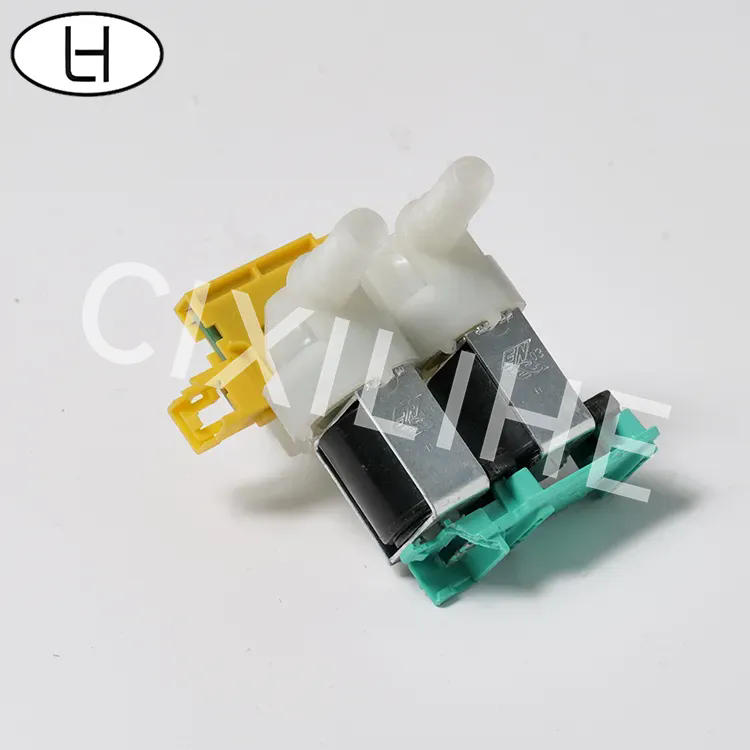
Table of Contents
- 1. What Is a 2 Way Washing Machine Solenoid Valve?
- 2. How Does a 2 Way Washing Machine Solenoid Valve Work?
- 3. Why Is the Two-Way Design Important?
- 4. Which Factors Should Be Considered When Choosing a Valve?
- 5. Key Technical Specifications to Check
- 6. What Problems Can a Solenoid Valve Solve?
- 7. How Should the Valve Be Installed?
- 8. How Can You Extend Valve Service Life?
- 9. Where Are 2 Way Washing Machine Solenoid Valves Used?
- 10. Why Does the Manufacturer Matter?
- 11. Frequently Asked Questions
- 12. Conclusion
1. What Is a 2 Way Washing Machine Solenoid Valve?
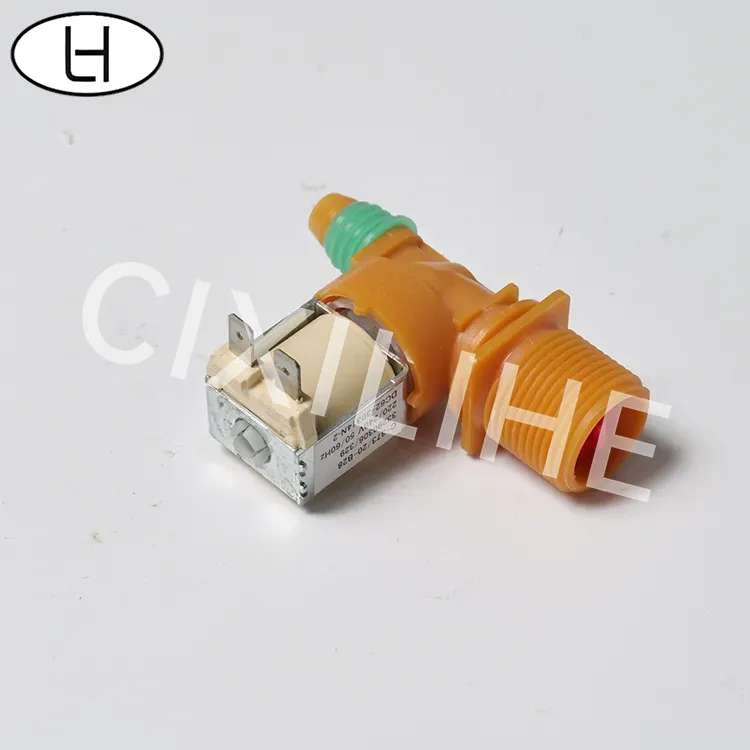
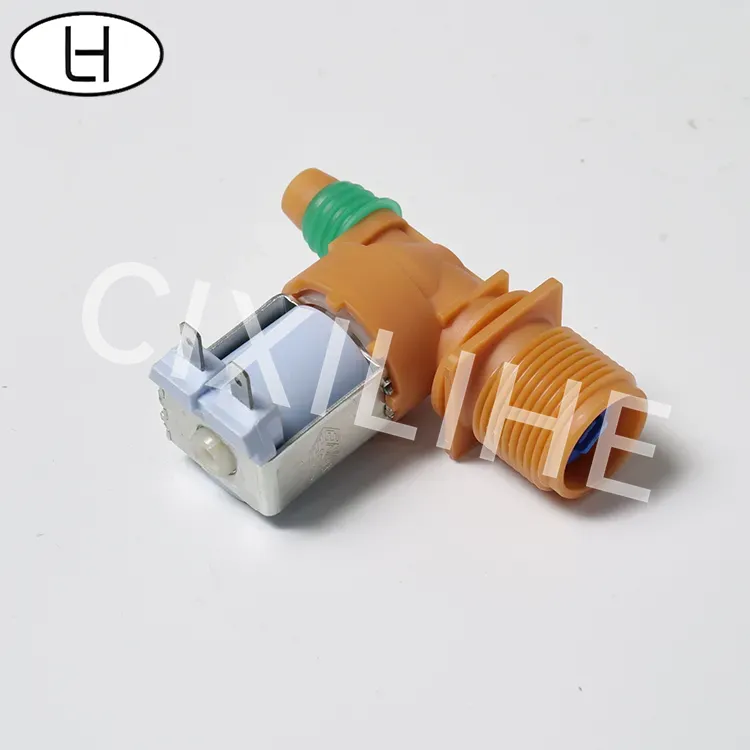
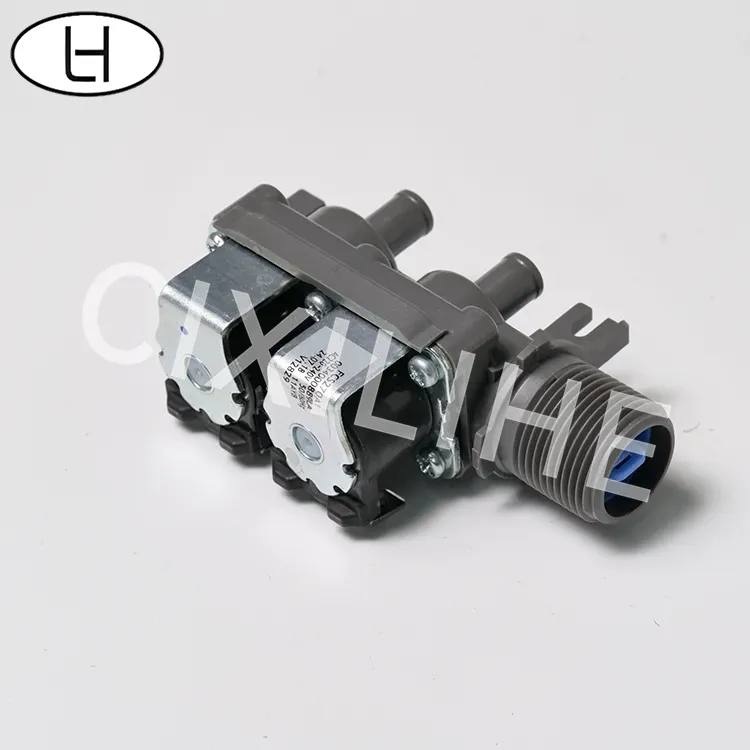
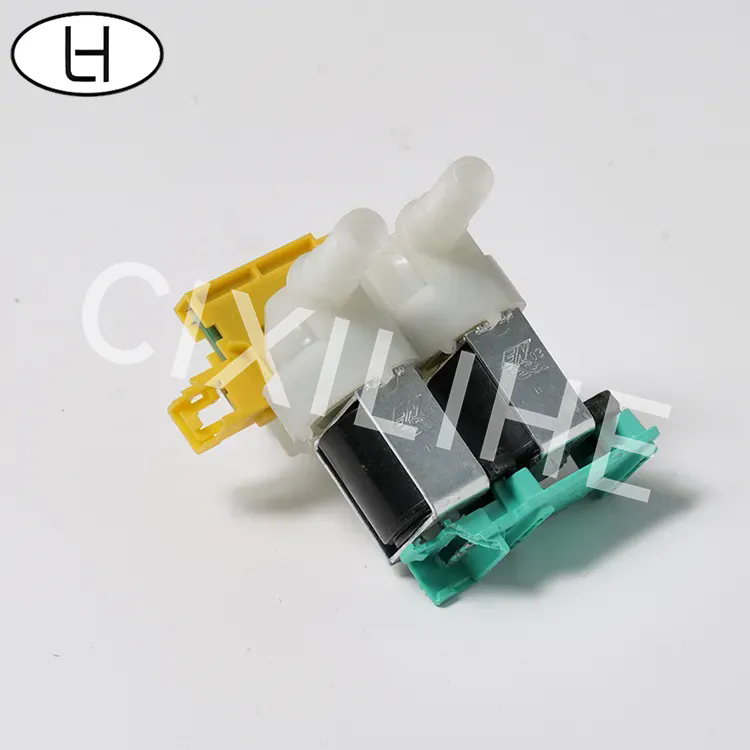
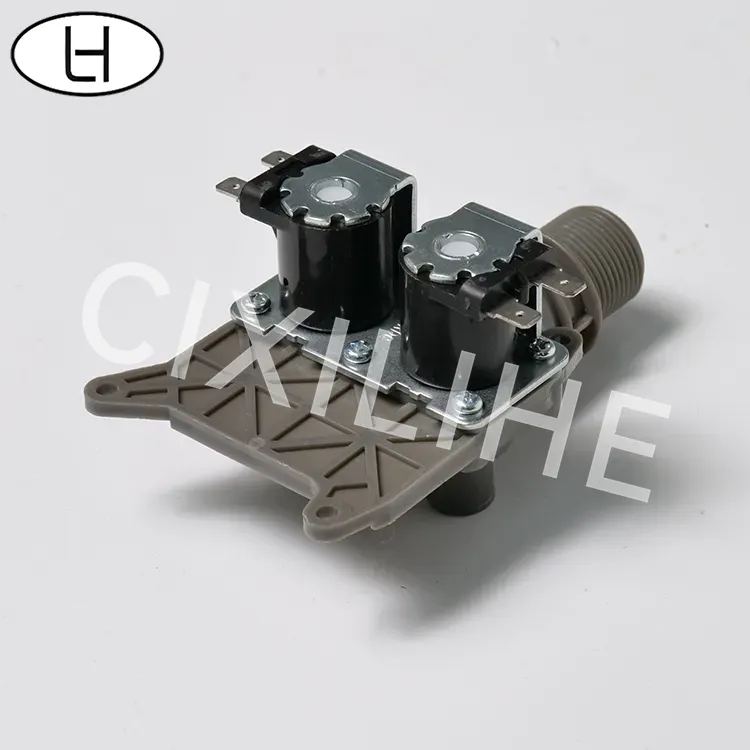
A 2 Way Washing Machine Solenoid Valve is an electrically controlled water valve used to regulate the flow of water into a washing machine. Unlike a manually operated valve, it responds to an electrical signal from the appliance control system. When the washing machine needs water, the solenoid receives power and opens the internal water passage. When the required amount of water has entered, the electrical signal stops and the valve closes.
This simple operating principle makes the component a critical part of an automatic washing machine. The valve must respond consistently because inaccurate water filling can affect detergent performance, washing efficiency, rinsing quality, cycle duration, and overall appliance reliability.
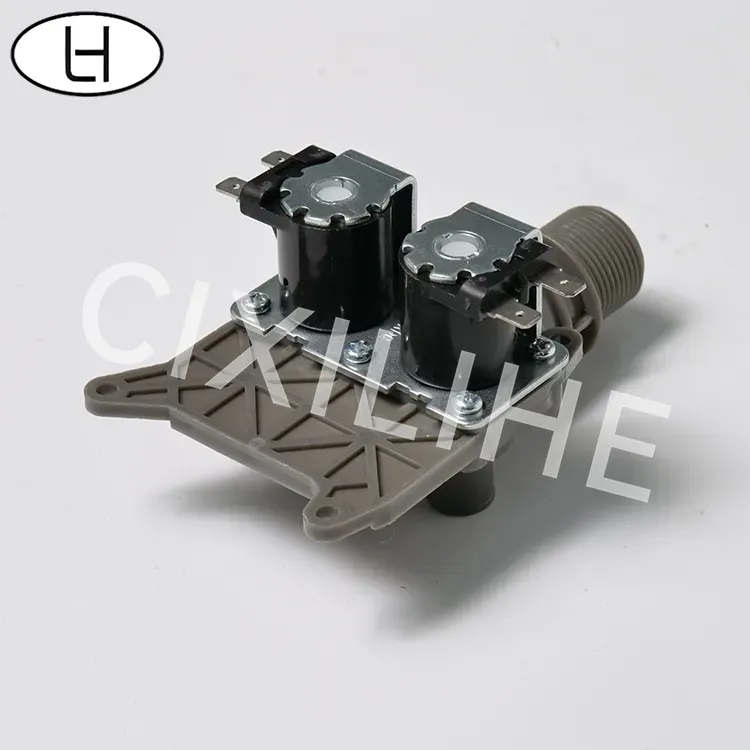
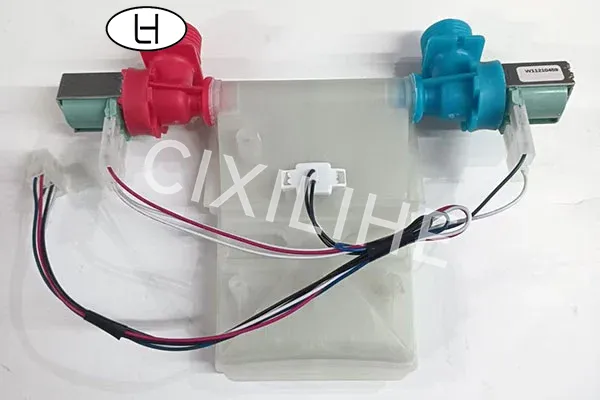
A two-way configuration can provide two controlled water outlets from a common inlet arrangement. This makes it practical for washing machines that need to manage different water paths during various stages of operation. Depending on the appliance design, the outlets may be connected to different internal water channels or detergent compartments.
For manufacturers, distributors, and repair professionals, selecting the correct valve is therefore more than simply matching the external shape. Electrical characteristics, water pressure, temperature resistance, connection dimensions, sealing performance, materials, and expected service life all need to be considered.
2. How Does a 2 Way Washing Machine Solenoid Valve Work?
The operating process is based on the interaction between an electromagnetic coil and a mechanical valve mechanism. When the washing machine controller sends an electrical signal to the coil, electromagnetic force moves an internal plunger or armature. This movement opens the water passage and allows pressurized water to enter the appliance.
When the controller removes the electrical signal, the electromagnetic force disappears. An internal spring or equivalent mechanism returns the valve to its closed position, stopping the water flow.
The basic operating sequence can be summarized as follows:
- The washing machine control system determines that water is required.
- An electrical signal is supplied to the solenoid coil.
- The coil generates a magnetic field.
- The internal mechanism moves and opens the water passage.
- Water flows through the inlet and selected outlet.
- The control system stops the electrical signal after the required filling stage.
- The valve closes to prevent unwanted water flow.
Because the valve repeatedly performs this opening and closing operation throughout its service life, durability is especially important. A component that works correctly during initial testing but deteriorates quickly can cause repeated service calls, water leakage, customer complaints, and unnecessary replacement costs.
For this reason, CIXI LIHE focuses on material selection, coil quality, sealing performance, production consistency, and functional testing when producing washing machine water inlet valves. Its 2 Way Washing Machine Solenoid Valve is designed for automatic washing machine applications and is intended to provide stable water control during repeated operating cycles.
3. Why Is the Two-Way Design Important?
The main advantage of a two-way configuration is its ability to manage more than one water path within a compact component. This can simplify the internal plumbing arrangement of a washing machine while allowing the control system to direct water according to the programmed cycle.
In practical applications, a washing machine may need water for different purposes, including detergent flushing, washing, rinsing, or other controlled filling operations. A multi-outlet valve can help the appliance manufacturer organize these water paths efficiently.
The two-way configuration can also offer several practical advantages:
- Flexible water routing: Multiple controlled outlets can support different internal water channels.
- Compact installation: Several water-control functions can be incorporated into a relatively small component.
- Automatic operation: Electrical control eliminates the need for manual water switching.
- Improved system organization: Separate water paths can be controlled according to the washing program.
- Service convenience: A properly designed valve can simplify replacement and maintenance.
The exact connection arrangement should always match the washing machine's original plumbing and electrical design. A two-way valve should not be selected solely because its appearance is similar to the original component.
4. Which Factors Should Be Considered When Choosing a Valve?
Choosing a suitable 2 Way Washing Machine Solenoid Valve requires attention to several technical parameters. An incorrect selection can result in insufficient water flow, coil overheating, leakage, installation problems, or premature failure.
Electrical Compatibility
The valve coil must match the electrical system of the washing machine. CIXI LIHE lists an operating voltage range of AC 100–240V at 50/60Hz for its referenced model. Before installation, technicians should verify the appliance's original valve specification and electrical requirements rather than assuming that every washing machine uses the same voltage.
Water Pressure
Water pressure directly affects valve performance. If pressure is too low, filling may become slow. If pressure exceeds the valve's rated range, the sealing system may experience unnecessary stress.
The CIXI LIHE product specification identifies a water pressure range of approximately 0.02–1.0 MPa. This range should be compared with the actual installation environment before selecting the component.
Connection Dimensions
Thread dimensions, hose connections, outlet configuration, and mounting geometry must correspond to the appliance's existing plumbing. A valve with the wrong connection size can require modification that may introduce leakage or installation risks.
Material Quality
The valve body is continuously exposed to water, while the coil operates electrically and may experience heat during repeated cycles. Engineering plastic and suitable metal components must therefore provide an appropriate combination of mechanical strength, corrosion resistance, thermal performance, and dimensional stability.
Sealing Performance
Even a small internal leak can become a major appliance problem when a washing machine is connected to a pressurized water supply. Effective seals and accurate component tolerances are essential for preventing water from passing through the valve when it should be closed.
5. Key Technical Specifications to Check
Technical specifications provide a more reliable basis for purchasing than appearance alone. The following example summarizes important parameters associated with the CIXI LIHE 2 Way Washing Machine Solenoid Valve product.
| Specification | Reference Value | Why It Matters |
|---|---|---|
| Product Type | 2 Way Washing Machine Solenoid Valve | Defines the water-control configuration |
| Product Code | IV041 | Helps identify the specific model |
| Rated Voltage | AC 100–240V, 50/60Hz | Must correspond to the electrical system |
| Water Pressure | 0.02–1.0 MPa | Determines the suitable operating environment |
| Medium Temperature | 0–100°C | Defines the specified temperature range |
| Expected Working Life | ≥100,000 cycles | Indicates repeated operating capability |
| Main Material | ABS + Metal | Supports structural and functional requirements |
| Color | White | Useful for product identification and appearance matching |
| MOQ | Negotiable | Provides flexibility for different purchasing volumes |
These specifications should be treated as model-specific information. When replacing a valve, always compare the original appliance component with the supplier's current technical documentation.
6. What Problems Can a Solenoid Valve Solve?
A properly functioning inlet valve addresses several common water-management problems in automatic washing machines. Conversely, a damaged valve can create symptoms that are easy to confuse with other appliance faults.
Slow Water Filling
A restricted inlet filter, insufficient water pressure, blocked passage, or deteriorated valve mechanism can reduce the water flow rate. Before replacing the valve, technicians should check the external water supply and inlet filter.
Water Continues Entering After the Machine Stops Filling
If water continues to enter when the valve should be closed, the internal sealing mechanism may be contaminated or damaged. Scale and debris can prevent the valve from closing completely.
No Water Enters the Washing Machine
Possible causes include an electrical supply problem, damaged coil, blocked inlet, insufficient water pressure, incorrect wiring, or a control-system issue. A valve should not automatically be blamed until the complete water and electrical circuit has been inspected.
Water Leakage
External leakage can result from loose connections, damaged seals, incorrect installation, cracked components, or excessive mechanical stress. Proper connection and testing are essential after replacement.
Unstable Filling Performance
If the valve opens inconsistently, the washing machine may display abnormal filling behavior. Electrical compatibility and coil condition should be checked together with the water supply system.
7. How Should the Valve Be Installed?
Correct installation is just as important as product quality. A reliable valve can still perform poorly if it is installed with incorrect wiring, contaminated pipes, damaged seals, or excessive tightening force.
Before installation, follow these basic precautions:
- Disconnect the washing machine from the electrical power supply.
- Close the external water supply.
- Drain residual water from the relevant hose or connection.
- Inspect the inlet pipe for scale, dirt, and foreign particles.
- Confirm that the replacement valve matches the original electrical and plumbing requirements.
During installation, secure the inlet connection properly and connect the outlet hoses according to the original water-routing configuration. Electrical connections should be checked carefully before power is restored.
After installation, gradually reopen the water supply and inspect all connections for leakage. The washing machine should then be tested through an appropriate filling cycle.
CIXI LIHE recommends operating the valve within its specified pressure and temperature range and keeping the inlet filter clean to support stable long-term operation.
8. How Can You Extend Valve Service Life?
Although a solenoid valve is designed for repeated operation, maintenance of the surrounding water system can significantly influence its service life.
- Clean the inlet filter regularly. Sediment and mineral deposits can restrict water flow or interfere with valve operation.
- Check water pressure. Operating outside the recommended pressure range can place unnecessary stress on internal components.
- Inspect connections. Loose fittings should be corrected before they develop into larger leaks.
- Monitor filling time. A gradual increase in filling time may indicate contamination or a water-supply problem.
- Protect the electrical connection. Wiring should remain secure and protected from water exposure.
- Replace damaged components promptly. Continuing to operate with a leaking or malfunctioning valve can create additional appliance problems.
For high-volume service operations, maintaining a record of replacement intervals and failure symptoms can also help technicians identify recurring water-quality or installation issues.
9. Where Are 2 Way Washing Machine Solenoid Valves Used?
The component is primarily intended for automatic washing machine water-control applications. Its practical value is especially apparent in equipment where controlled water filling must be repeated throughout many washing cycles.
Typical application environments include:
- Front-loading automatic washing machines
- Top-loading automatic washing machines
- Household washing appliances
- Washing machine replacement-part markets
- Appliance repair and maintenance services
- OEM washing machine production
- Wholesale washing machine component distribution
For original equipment manufacturers, the valve must be evaluated together with the washing machine's control system, water pressure requirements, hose configuration, and installation space. For replacement-part distributors, compatibility across different appliance models becomes an additional purchasing consideration.
10. Why Does the Manufacturer Matter?
When purchasing washing machine solenoid valves in volume, the supplier's manufacturing capability can affect much more than the initial unit price. Consistency between production batches is important because appliance manufacturers and distributors need predictable dimensions, electrical characteristics, sealing performance, and delivery schedules.
CIXI LIHE states that it has approximately 15 years of professional production experience in washing machine components and provides factory-direct supply for wholesale buyers. Its product information also indicates support for samples, OEM customization, flexible minimum order quantities, and bulk packaging options.
For buyers evaluating a supplier, several questions are worth asking before placing a large order:
- Can the manufacturer provide product samples for testing?
- Can the valve be customized for OEM applications?
- Are electrical and pressure specifications clearly documented?
- Does the supplier conduct functional testing?
- Can production capacity support recurring orders?
- Are packaging and shipping options suitable for the target market?
- Can the manufacturer provide technical assistance when compatibility questions arise?
For international buyers, logistics capability is also important. CIXI LIHE indicates that small orders can be shipped through express services, while larger shipments may be arranged by sea or air depending on cost and delivery requirements.
11. Frequently Asked Questions
What does a 2 Way Washing Machine Solenoid Valve do?
It electrically controls water entering a washing machine and provides two controlled water paths according to the appliance's design. The valve opens when energized and closes when the electrical signal is removed.
Can a two-way valve be used in both front-load and top-load washing machines?
Two-way solenoid valves can be used in different automatic washing machine configurations, but compatibility depends on voltage, connection dimensions, water pressure, outlet arrangement, and the original machine design. The complete specifications should be checked before replacement.
What causes a washing machine inlet valve to leak?
Common causes include worn sealing components, contamination, scale buildup, damaged fittings, incorrect installation, or excessive operating conditions. Inspecting the valve and surrounding plumbing can help identify the actual cause.
How often should the inlet filter be cleaned?
The appropriate interval depends on local water quality and appliance usage. If the water contains significant sediment or mineral deposits, more frequent inspection may be necessary. A restricted filter should be cleaned promptly.
What water pressure can the CIXI LIHE valve handle?
The referenced CIXI LIHE model specifies an operating water pressure range of approximately 0.02–1.0 MPa. Buyers should confirm the current product specification and compare it with their actual application before ordering.
What is the expected service life of the valve?
The referenced model lists a working life of at least 100,000 operating cycles. Actual service life can vary according to water quality, pressure, temperature, electrical conditions, installation quality, and operating frequency.
Can CIXI LIHE provide samples?
Yes. The product information indicates that samples are available for small quantities, allowing buyers to evaluate compatibility and performance before proceeding with larger orders.
Does CIXI LIHE support OEM requirements?
CIXI LIHE provides OEM customization options for wholesale applications. Buyers with customized connection, electrical, packaging, or product requirements should discuss the technical specifications with the manufacturer before production.
12. Conclusion
A 2 Way Washing Machine Solenoid Valve may be a relatively small component, but it plays a fundamental role in automatic water management. Reliable opening and closing, stable flow, effective sealing, suitable electrical characteristics, and resistance to repeated operation all contribute to dependable washing machine performance.
For replacement-part buyers, the most important step is to match the valve to the appliance rather than selecting a component based only on appearance. Voltage, pressure range, connection dimensions, outlet configuration, materials, and operating conditions should all be evaluated.
For OEM manufacturers and wholesale distributors, supplier consistency becomes equally important. A dependable production partner can help reduce compatibility problems, improve purchasing predictability, and support customized product requirements.
With its focus on washing machine components, factory-direct supply, product testing, OEM support, and bulk purchasing solutions, CIXI LIHE provides a practical option for businesses sourcing washing machine water-control components.
Looking for a reliable 2 Way Washing Machine Solenoid Valve for replacement, wholesale, or OEM applications? Contact CIXI LIHE to discuss your specifications, request samples, and find a suitable water-control solution for your washing machine project. Contact us today for professional product support and a tailored quotation.
Related News
- Why Is a Gray Double Washing Machine Water Inlet Valve Essential for Reliable Washer Water Control
- How Can a Fully Automatic Washing Machine Solenoid Valve Improve Washing Machine Performance
- How Does an Aluminium Washing Machine Drum Spider Improve Washing Machine Performance?
- How Does Washing Machine Suspension Improve Washer Performance?
- How Does a Washing Machine Inlet Valve Work and Why Is It Important?
- How Does a Washing Machine Spider Improve Drum Stability and Washing Performance?
Leave me a message