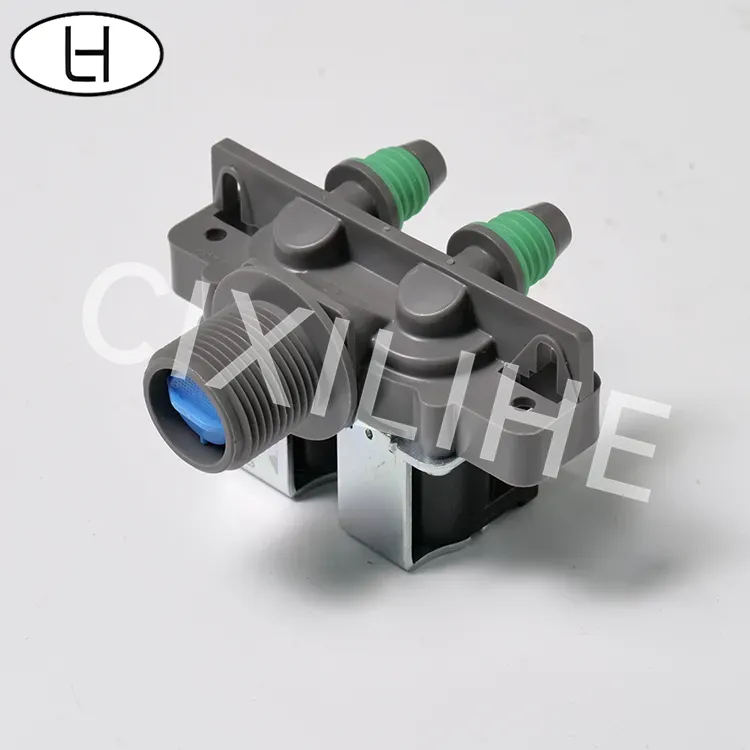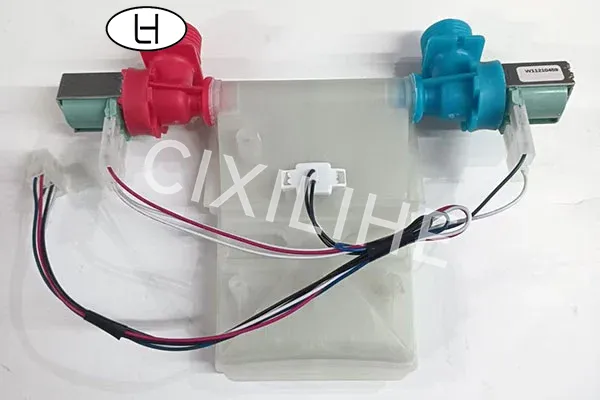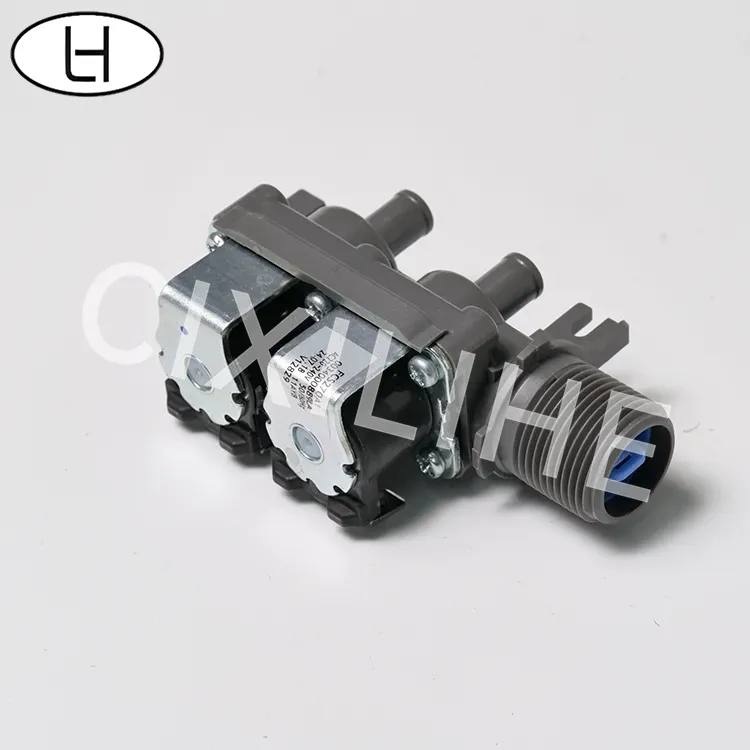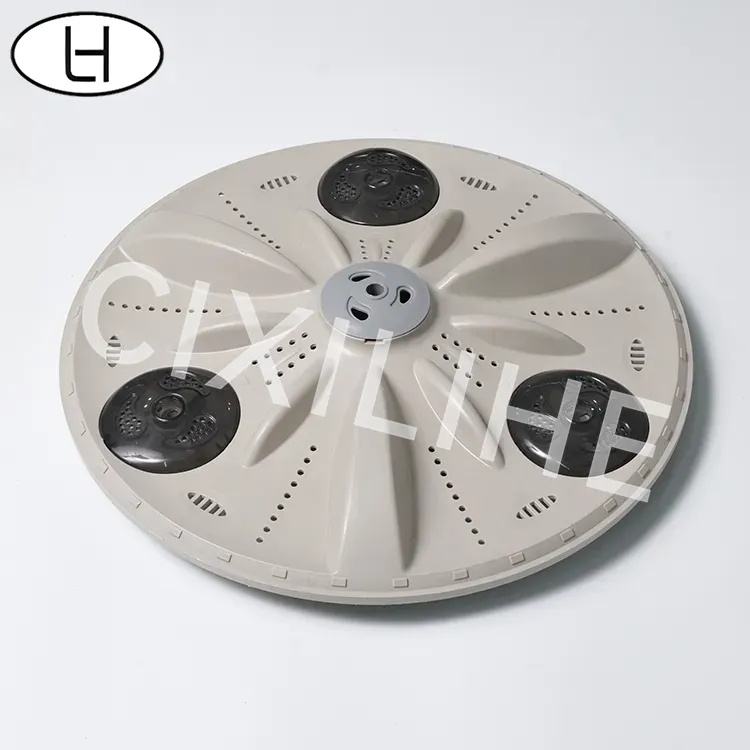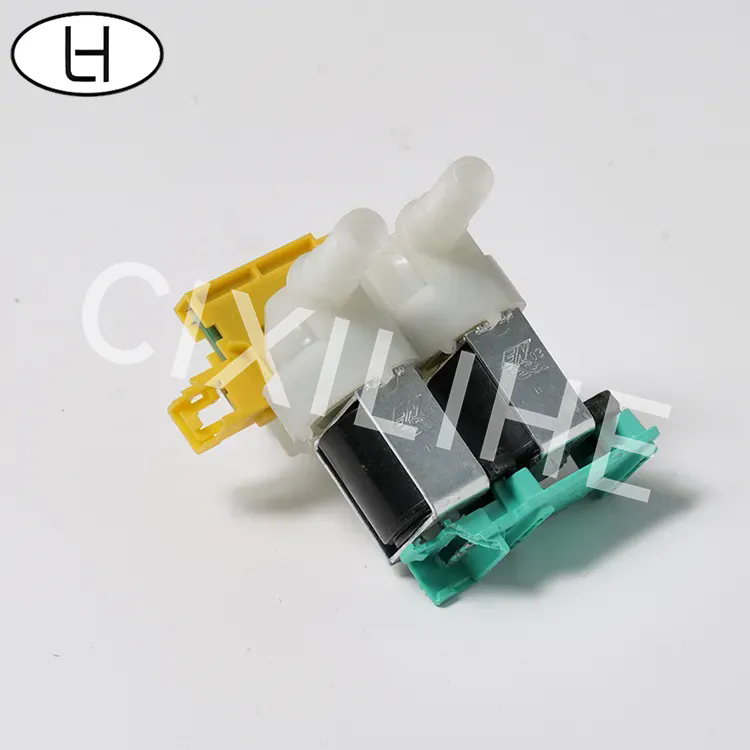

Fully Automatic Washing Machine Solenoid Valve is a key water-control component that directly influences filling accuracy, operating efficiency, leakage prevention, and the overall reliability of an automatic washing machine. As a professional washing machine parts manufacturer, CIXI LIHE provides solenoid valve solutions designed for stable water control, fast response, reliable sealing, and long-term operation, making them suitable for washing machine manufacturers, OEM customers, distributors, and replacement-part suppliers.
A fully automatic washing machine relies on multiple components to complete washing, rinsing, and draining cycles. Among them, the water inlet solenoid valve plays an essential role because it determines when and how water enters the appliance. By responding to electrical signals from the washing machine control board, the valve can open or close the water passage at the appropriate time.
A reliable Fully Automatic Washing Machine Solenoid Valve should provide rapid response, stable water flow, dependable sealing, low power consumption, low operating noise, and excellent durability. Selecting the correct voltage, pressure range, connection size, channel configuration, and material is therefore essential for both OEM production and replacement applications.
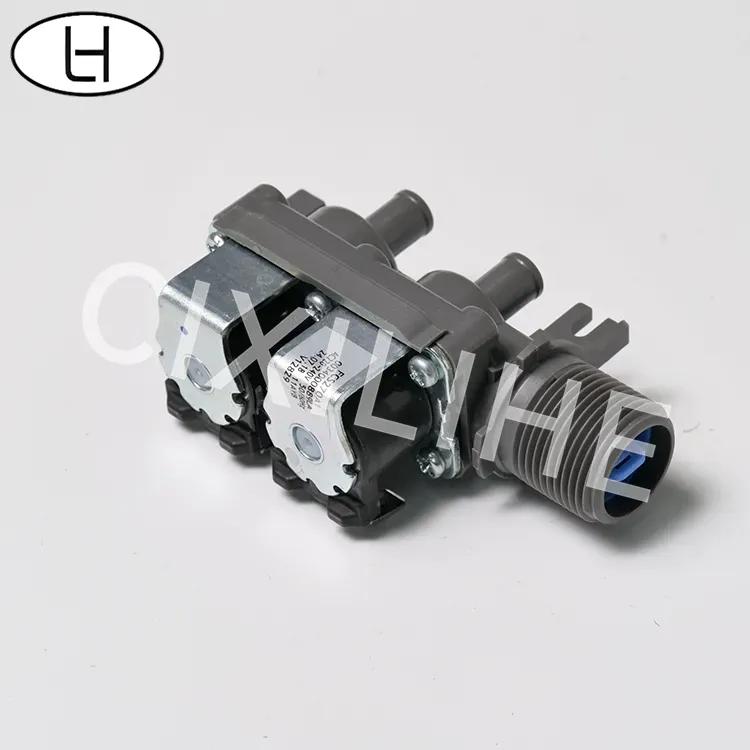
Table of Contents
- Why Is a Solenoid Valve Important in a Fully Automatic Washing Machine?
- How Does a Fully Automatic Washing Machine Solenoid Valve Work?
- What Specifications Should Buyers Check?
- What Features Make a Washing Machine Solenoid Valve Reliable?
- How Is a High-Quality Solenoid Valve Manufactured and Tested?
- How Should a Washing Machine Solenoid Valve Be Installed?
- Where Can Washing Machine Solenoid Valves Be Used?
- How Can Buyers Select the Right Solenoid Valve?
- Frequently Asked Questions
- Why Choose CIXI LIHE for Washing Machine Solenoid Valves?
Why Is a Solenoid Valve Important in a Fully Automatic Washing Machine?
Water management is one of the fundamental functions of an automatic washing machine. During each washing program, the control board must determine when water should enter the drum or tub and when the supply should stop. The solenoid valve provides the physical mechanism that executes these electrical instructions.
When the washing machine sends an electrical signal to the valve coil, electromagnetic force moves the internal mechanism and opens the water passage. Once the signal stops, the valve closes and prevents further water from entering.
This operation supports several important washing machine functions:
- Automatic control of water intake.
- Accurate water filling during different washing cycles.
- Independent control of different water inlet channels.
- Fast opening and closing according to control signals.
- Reliable shut-off after the required water level is reached.
- Reduced risk of unnecessary water consumption.
- Stable performance during repeated washing cycles.
Because the solenoid valve is repeatedly activated during normal operation, its electrical and mechanical durability has a direct impact on appliance reliability. A poorly manufactured valve may cause insufficient water flow, continuous filling, leakage, delayed response, or complete failure to open.
How Does a Fully Automatic Washing Machine Solenoid Valve Work?
The working principle of a washing machine solenoid valve is based on electromagnetic actuation. The main structure normally consists of an electromagnetic coil, valve body, plunger, spring, diaphragm, sealing components, inlet port, and outlet passage.
The operating sequence is relatively simple:
- Water supply remains closed: When the washing machine is not requesting water, the valve remains in its normally closed condition.
- Electrical signal is received: The control board supplies electrical power to the solenoid coil.
- Magnetic force is generated: The energized coil creates a magnetic field that moves the internal plunger or diaphragm.
- Water passage opens: Water flows through the valve and into the washing machine.
- Electrical power is removed: Once the required water level or programmed filling period is reached, the controller stops the electrical signal.
- Valve closes: The internal spring and sealing structure return the valve to its closed position.
For a dual-channel configuration, two water inlet channels can be controlled independently. This is particularly useful for washing machines that require separate control of hot and cold water supplies.
What Specifications Should Buyers Check?
Choosing a washing machine solenoid valve based only on its physical appearance can result in compatibility problems. Professional buyers should evaluate electrical, hydraulic, mechanical, and environmental specifications before placing an order.
| Specification | Reference Performance | Procurement Importance |
|---|---|---|
| Model | IV043 | Identifies the required product configuration |
| Channel Configuration | Dual Channel | Allows independent control of two water paths |
| Rated Voltage | AC100–240V | Determines electrical compatibility |
| Frequency | 50/60Hz | Supports compatibility with different electrical systems |
| Water Pressure | 0.02–1.0 MPa | Defines the suitable operating pressure range |
| Medium Temperature | 0–100°C | Defines applicable water temperature conditions |
| Response Time | ≤0.1 seconds | Supports rapid water-flow control |
| Rated Power | ≤5W | Helps control electrical consumption |
| Operating Noise | ≤35dB | Supports quieter appliance operation |
| Connection | 3/4 inch | Must match the washing machine plumbing system |
| Service Life | ≥100,000 cycles | Indicates suitability for repeated operation |
| Body Material | ABS and metal components | Provides structural stability and corrosion resistance |
Before purchasing, buyers should compare these specifications with the original valve, washing machine design, water supply conditions, and installation requirements.
What Features Make a Washing Machine Solenoid Valve Reliable?
Reliability is determined by more than the basic ability to open and close a water passage. A high-quality solenoid valve needs to maintain consistent performance across thousands of operating cycles.
Dual-Channel Water Control
A dual-channel design provides two independently controlled water paths. This configuration can simplify water management in washing machines that require separate hot- and cold-water inlet control.
Stable Electromagnetic Performance
The coil is one of the most important electrical components inside the valve. A properly engineered copper coil helps provide stable electromagnetic force while maintaining controlled power consumption during operation.
Fast Response
A response time of no more than 0.1 seconds enables the valve to react quickly to signals from the control system. Fast switching is valuable when accurate water management is required during automated washing programs.
Reliable Sealing
The sealing structure is essential for preventing unwanted water flow. A properly designed diaphragm, spring, and sealing interface should maintain reliable shut-off performance across the specified pressure range.
Low Operating Noise
Washing machines are commonly installed in homes, apartments, hotels, and other environments where noise levels matter. A solenoid valve designed for operation at a low noise level can contribute to a more comfortable user experience.
Long Operating Life
Automatic washing machines may activate their inlet valves many times during their service life. A valve tested for at least 100,000 operating cycles can provide an important durability advantage for demanding applications.
How Is a High-Quality Solenoid Valve Manufactured and Tested?
Manufacturing consistency is essential when solenoid valves are supplied to washing machine manufacturers in large quantities. Even small variations in coil winding, sealing components, valve dimensions, or assembly quality can affect final performance.
A professional production process may include several important stages:
- Raw material inspection.
- Precision coil winding.
- Electrical insulation treatment.
- ABS injection molding.
- Metal component processing.
- Valve body and internal component assembly.
- Electrical terminal installation.
- Water-pressure testing.
- Leakage inspection.
- Electrical performance testing.
- Response-time testing.
- Noise inspection.
- Endurance and cycle testing.
- Final appearance and dimensional inspection.
CIXI LIHE focuses on washing machine solenoid valves and related appliance components. Its referenced product configuration includes AC100–240V electrical compatibility, a 0.02–1.0 MPa working pressure range, response time of no more than 0.1 seconds, rated power of no more than 5W, and a stated service-life test of at least 100,000 cycles.
The product information also identifies quality and compliance credentials including CE, RoHS, CQC, and ISO 9001:2015, which can be important considerations for international OEM and component procurement.
How Should a Washing Machine Solenoid Valve Be Installed?
Correct installation is necessary to obtain the expected performance from any water inlet solenoid valve. Before replacement or installation, technicians should confirm the model, voltage, water direction, connection dimensions, electrical terminals, and channel configuration.
- Disconnect the washing machine from the electrical supply.
- Turn off the external water supply.
- Remove the existing valve and inspect the surrounding plumbing connections.
- Clean dirt, scale, or foreign particles from the connection area.
- Install the new valve in the correct water-flow direction.
- Secure the water connections without excessive tightening.
- Connect the electrical terminals according to the specified wiring configuration.
- Restore the water supply and inspect all connections for leakage.
- Reconnect the power supply.
- Run a complete washing-machine water-inlet test.
Water quality should also be considered. Hard water may cause mineral deposits that restrict the inlet filter or internal water passage. Regular inspection and cleaning can help maintain stable water flow and reduce unnecessary stress on the valve.
Where Can Washing Machine Solenoid Valves Be Used?
The primary application of a Fully Automatic Washing Machine Solenoid Valve is water inlet control in automatic washing machines. However, different configurations can be adapted to different appliance platforms and OEM requirements.
Typical applications include:
- Fully automatic top-loading washing machines.
- Front-loading washing machines.
- Household washing machines.
- Commercial laundry equipment.
- OEM washing machine production lines.
- Washing machine replacement and repair markets.
- Household appliance spare-parts distribution.
For OEM projects, manufacturers may also require customized wire lengths, electrical connectors, mounting structures, housing colors, product labels, packaging, or other specifications. These requirements should be confirmed during the product-development stage.
How Can Buyers Select the Right Solenoid Valve?
For international buyers, selecting the correct valve should be treated as a technical procurement decision rather than simply a price comparison.
Confirm Electrical Compatibility
Verify the rated voltage and frequency before ordering. A valve designed for an incompatible electrical system may fail to operate correctly or suffer premature coil damage.
Check Water Pressure
The water pressure at the installation site must fall within the valve's rated operating range. Both insufficient and excessive pressure can affect water-flow performance.
Choose the Correct Channel Configuration
Determine whether the washing machine requires one or two independently controlled water inlet channels. This is particularly important when hot and cold water need separate control.
Verify Mechanical Dimensions
Thread size, inlet and outlet positions, mounting dimensions, hose connections, and electrical terminals should be compared with the original component or the washing machine engineering drawing.
Consider Certifications and Quality Systems
For international procurement, buyers should evaluate applicable certifications, quality management systems, testing procedures, traceability, and quality-control processes.
Evaluate OEM Support
Large-volume buyers may require customized specifications or packaging. Working directly with a professional China manufacturer can simplify product customization, sample evaluation, mass production, and technical communication.
Frequently Asked Questions
What is a Fully Automatic Washing Machine Solenoid Valve?
A Fully Automatic Washing Machine Solenoid Valve is an electrically controlled valve that regulates water entering an automatic washing machine. It opens or closes the water passage according to signals from the appliance's control system.
What is a dual-channel washing machine solenoid valve?
A dual-channel solenoid valve contains two independently controlled water inlet channels. It is commonly used when a washing machine requires separate control of different water supplies, such as hot and cold water.
What voltage does the CIXI LIHE valve support?
The referenced CIXI LIHE IV043 configuration supports AC100–240V at 50/60Hz, making it suitable for a range of washing machine electrical systems when the appliance design matches the specified requirements.
How long can a washing machine solenoid valve last?
Actual service life depends on water quality, operating pressure, temperature, activation frequency, installation, and component quality. The referenced product specifies a service-life test of at least 100,000 cycles.
What are the common signs of solenoid valve failure?
Common symptoms include failure to fill, slow water intake, continuous water inflow, inconsistent water flow, leakage, abnormal operating noise, or failure of one water inlet channel. Electrical and plumbing causes should be checked before replacing the valve.
Can CIXI LIHE provide customized solenoid valves?
OEM customization may include wire harness length, connector configuration, housing design, labels, packaging, and other application-specific requirements. Buyers should provide technical drawings or detailed specifications when requesting customization.
What information should buyers provide for a quotation?
Buyers should ideally provide the required voltage, frequency, channel number, water pressure, connection size, dimensions, application, estimated order quantity, certification requirements, packaging requirements, and any OEM customization specifications.
Why Choose CIXI LIHE for Washing Machine Solenoid Valves?
For customers looking for a reliable Fully Automatic Washing Machine Solenoid Valve supplier in China, CIXI LIHE provides washing machine valve solutions for OEM manufacturing, aftermarket replacement, and bulk procurement. The product design combines dual-channel water control, AC100–240V electrical compatibility, rapid response, low power consumption, reliable sealing, low operating noise, and long-cycle durability.
For appliance manufacturers and distributors, the right solenoid valve can contribute to stable water management, reduced maintenance requirements, consistent washing-machine performance, and improved product reliability. Technical parameters should always be matched with the actual appliance design and operating environment before mass production.
If you are sourcing a Fully Automatic Washing Machine Solenoid Valve from a China manufacturer or factory and need reliable OEM support, customized specifications, competitive bulk pricing, or technical assistance, contact us today. CIXI LIHE is ready to discuss your application requirements and provide a suitable solenoid valve solution for your washing machine project.