
How Does a Washing Machine Pulsator Improve Washing Performance?
Article Summary
A washing machine pulsator is one of the most important components that determines cleaning efficiency, fabric protection, and overall washing experience. As the core rotating part inside many top-load washing machines, the pulsator creates water movement that removes dirt, stains, and residues from clothes. Understanding how a washing machine pulsator works can help manufacturers, suppliers, and consumers choose reliable components and improve washing machine performance.
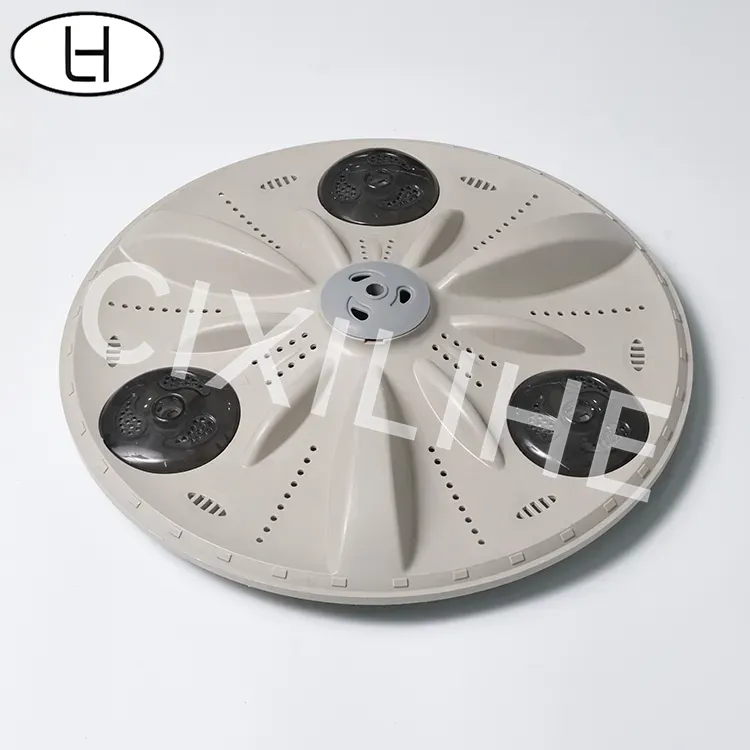
This article explains the working principle, structural design, benefits, common problems, maintenance methods, and selection considerations of washing machine pulsators. It also introduces how professional manufacturers such as Cixi Lihe Electric Appliance Co., Ltd. provide dependable pulsator solutions for modern washing machine applications.
Table of Contents
- What Is a Washing Machine Pulsator?
- How Does a Washing Machine Pulsator Work?
- Why Is a High-Quality Pulsator Important?
- Common Washing Machine Pulsator Problems and Solutions
- Key Factors When Choosing a Washing Machine Pulsator
- How Manufacturers Ensure Pulsator Quality
- Frequently Asked Questions About Washing Machine Pulsators
What Is a Washing Machine Pulsator?
A washing machine pulsator is a rotating disc-shaped component installed at the bottom of the washing tub in many top-loading washing machines. Its primary function is to generate strong water circulation by rotating back and forth or continuously, allowing detergent and water to penetrate fabrics more effectively.
Unlike traditional washing methods that rely only on soaking and manual rubbing, a pulsator creates mechanical movement that simulates hand washing. This movement helps separate dirt particles from clothing fibers while reducing excessive fabric damage.
Modern washing machine pulsators are designed with different shapes, structures, and materials to meet various washing requirements. Some models include multiple blades, special grooves, or optimized water flow channels to improve cleaning efficiency.
The main functions of a washing machine pulsator include:
- Generating water circulation inside the washing tub
- Improving detergent distribution
- Increasing contact between water and fabrics
- Reducing washing time and energy consumption
- Protecting clothes from unnecessary wear
How Does a Washing Machine Pulsator Work?
The operation of a washing machine pulsator depends on the interaction between the motor, transmission system, pulsator shaft, and water inside the washing tub. When the washing machine starts a washing cycle, the motor transfers power through the drive mechanism to rotate the pulsator.
The rotating movement creates turbulence in the water. Clothes placed inside the tub move together with the flowing water, producing friction between fabrics and removing dirt effectively.
The working process can be divided into several steps:
- Power transmission: The motor generates mechanical energy and transfers it to the pulsator through the drive system.
- Pulsator rotation: The pulsator rotates according to the washing program, creating continuous or alternating movement.
- Water circulation: The blades or grooves on the pulsator push water in different directions.
- Dirt removal: The water flow helps detergent reach fabric surfaces and loosen stains.
- Rinsing process: The pulsator continues creating movement to remove detergent residue.
The efficiency of this process depends heavily on pulsator design. A well-engineered pulsator can create balanced water flow while maintaining low noise levels and stable operation.
Why Is a High-Quality Pulsator Important?
The quality of a washing machine pulsator directly affects washing performance, product reliability, and user satisfaction. A poorly designed pulsator may result in uneven cleaning, excessive vibration, increased noise, or premature component failure.
For washing machine manufacturers, selecting a reliable pulsator supplier is essential because the component must withstand repeated operation, water exposure, and mechanical stress over many years.
A high-quality washing machine pulsator provides several advantages:
- Better cleaning performance: Optimized water movement allows detergent to work more effectively.
- Improved durability: Strong materials and accurate manufacturing processes increase service life.
- Lower operating noise: Balanced rotation reduces vibration and abnormal sounds.
- Energy efficiency: Efficient water circulation helps reduce unnecessary washing time.
- Fabric protection: Controlled mechanical movement reduces damage to delicate clothing.
Common Washing Machine Pulsator Problems and Solutions
Although pulsators are designed for long-term operation, several issues may occur during usage. Understanding these problems helps users and manufacturers identify possible causes and solutions.
| Common Problem | Possible Cause | Recommended Solution |
|---|---|---|
| Pulsator does not rotate | Motor failure, damaged shaft, or transmission issue | Inspect related components and replace damaged parts |
| Weak washing effect | Improper water flow or worn pulsator structure | Check pulsator condition and optimize component selection |
| Abnormal noise | Loose installation or unbalanced rotation | Check fixing parts and ensure proper assembly |
| Cracks or deformation | Poor material quality or long-term stress | Use durable materials suitable for washing environments |
Regular inspection and proper maintenance can extend pulsator service life. Manufacturers should also focus on precision production and quality control to prevent defects before products reach customers.
Key Factors When Choosing a Washing Machine Pulsator
Selecting the right washing machine pulsator requires consideration of multiple factors. Whether for appliance manufacturers or replacement suppliers, every detail can influence final washing performance.
- Material quality: The pulsator should use materials with good strength, corrosion resistance, and long-term stability.
- Structural design: Blade shape, water channel layout, and overall geometry determine washing efficiency.
- Compatibility: The pulsator must match the washing machine model, shaft structure, and installation requirements.
- Manufacturing precision: Accurate dimensions ensure smooth operation and reduce assembly problems.
- Quality inspection: Professional testing helps guarantee consistent product performance.
Different washing machine models may require customized pulsator designs. Working with experienced suppliers allows manufacturers to develop components that match specific product requirements.
How Manufacturers Ensure Pulsator Quality
Producing a reliable washing machine pulsator requires advanced manufacturing technology, strict quality management, and practical industry experience. Professional suppliers focus on every stage, from material selection to final inspection.
Cixi Lihe Electric Appliance Co., Ltd. specializes in manufacturing washing machine components and provides professional solutions for customers requiring dependable pulsator products. Through continuous improvement of production technology and attention to product details, the company helps customers achieve stable washing machine performance.
A professional pulsator manufacturing process usually includes:
- Selection of suitable engineering materials
- Precision molding and processing
- Surface quality inspection
- Dimensional accuracy testing
- Performance verification before delivery
These procedures help ensure that every pulsator can operate smoothly under repeated washing cycles and meet different application requirements.
Frequently Asked Questions About Washing Machine Pulsators
Q1: What is the main purpose of a washing machine pulsator?
A washing machine pulsator creates water movement inside the washing tub. This circulation improves detergent mixing, removes dirt, and enhances cleaning performance.
Q2: Are all washing machine pulsators the same?
No. Pulsators differ in size, blade design, material, and structure. Different washing machine models require different pulsator solutions.
Q3: How long can a washing machine pulsator last?
The service life depends on material quality, washing frequency, operating conditions, and manufacturing precision. High-quality pulsators can provide reliable performance for many years.
Q4: Why does a washing machine pulsator make noise?
Noise may result from loose installation, foreign objects, damaged components, or imbalance during rotation. Inspection is recommended when abnormal sounds occur.
Q5: Why should manufacturers choose professional pulsator suppliers?
Professional suppliers provide better product consistency, technical support, customization options, and quality assurance, helping manufacturers improve overall washing machine reliability.
Conclusion
A washing machine pulsator plays a critical role in improving cleaning efficiency, protecting fabrics, and ensuring smooth appliance operation. From water circulation to mechanical washing action, every design detail influences the final user experience.
For manufacturers looking for reliable washing machine components, choosing an experienced partner is essential. Cixi Lihe Electric Appliance Co., Ltd. provides professional washing machine pulsator solutions designed for durability, efficiency, and stable performance.
If you need high-quality washing machine pulsators or customized appliance component solutions, please contact us today to discuss your requirements and discover professional support for your products.
Related News
- How Can a Fully Automatic Washing Machine Solenoid Valve Improve Water Control and Washing Performance
- How Can a Fully Automatic Washing Machine Solenoid Valve Improve Washer Reliability and Water Control
- Why Is a Gray Double Washing Machine Water Inlet Valve Essential for Reliable Washer Water Control
- How Can a Fully Automatic Washing Machine Solenoid Valve Improve Washing Machine Performance
- How Does an Aluminium Washing Machine Drum Spider Improve Washing Machine Performance?
- How Does a 2 Way Washing Machine Solenoid Valve Improve Water Control?
Leave me a message