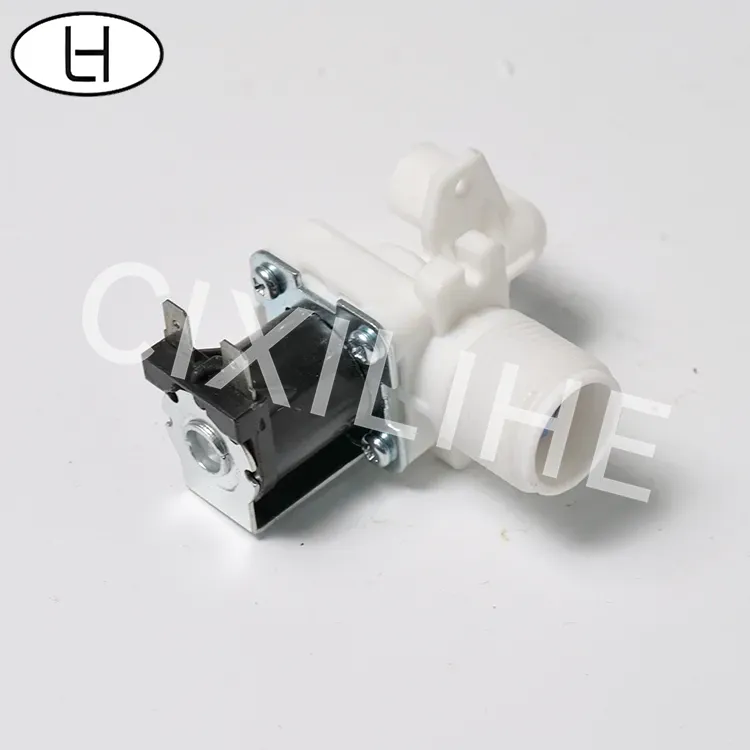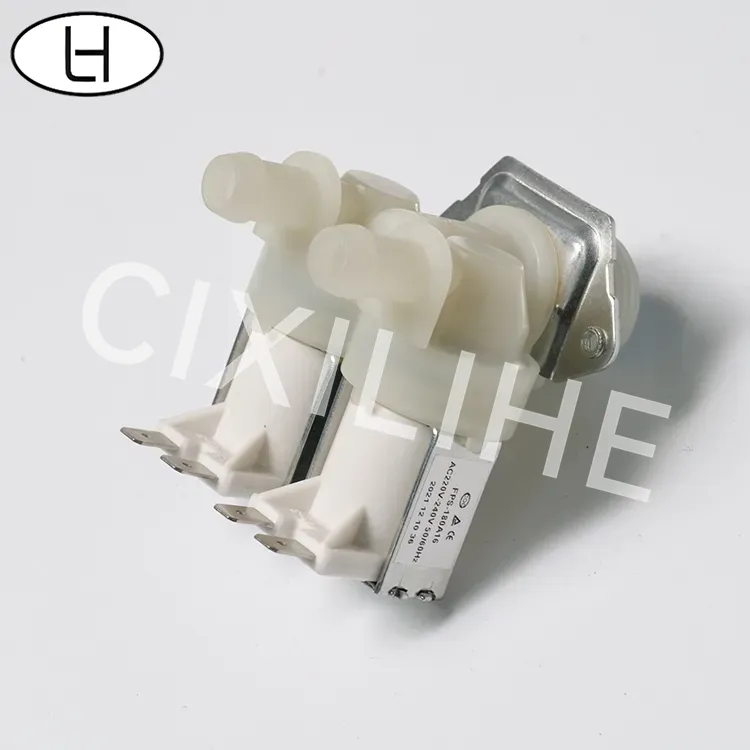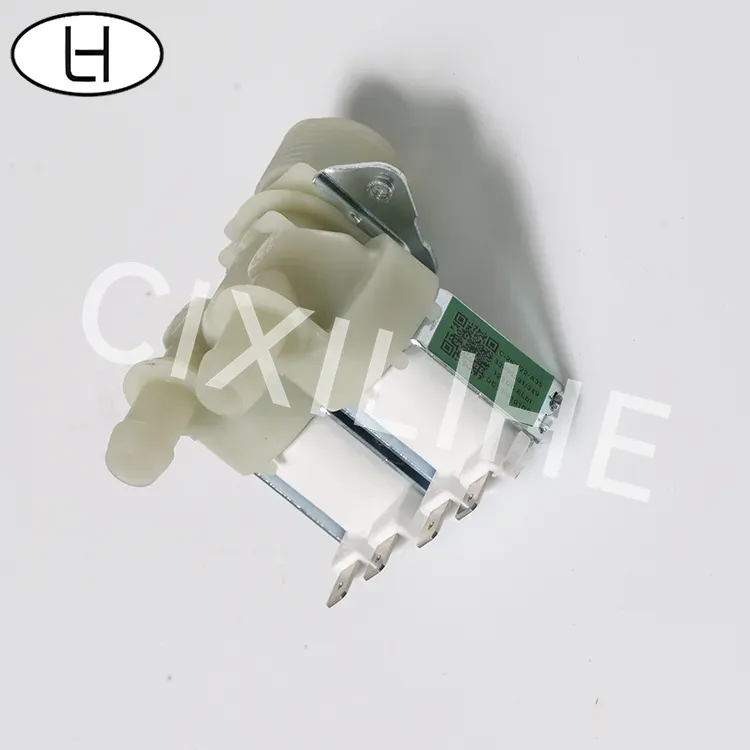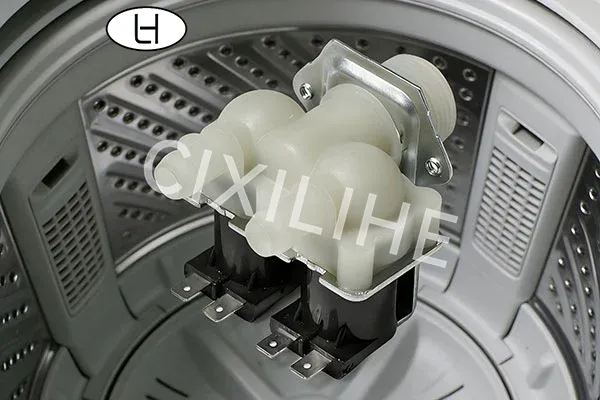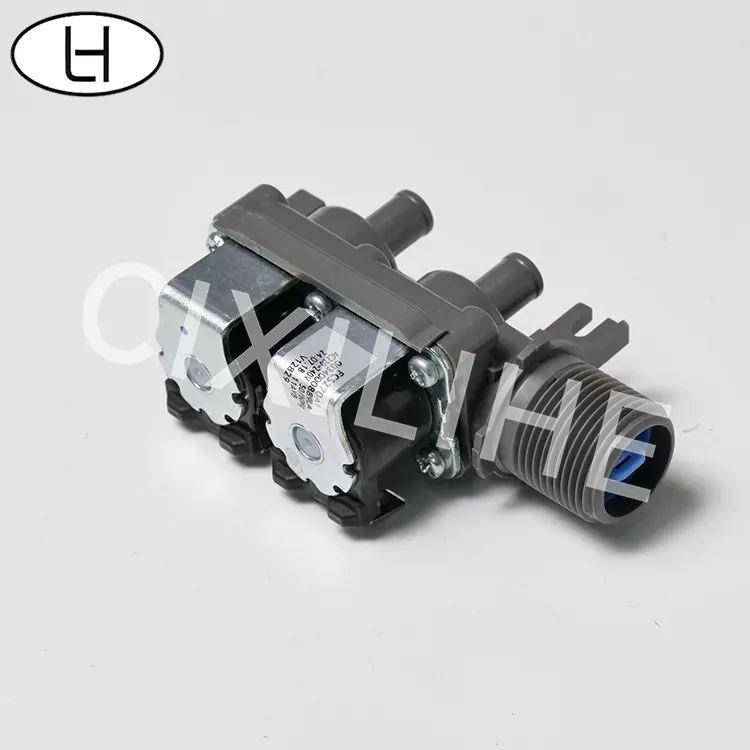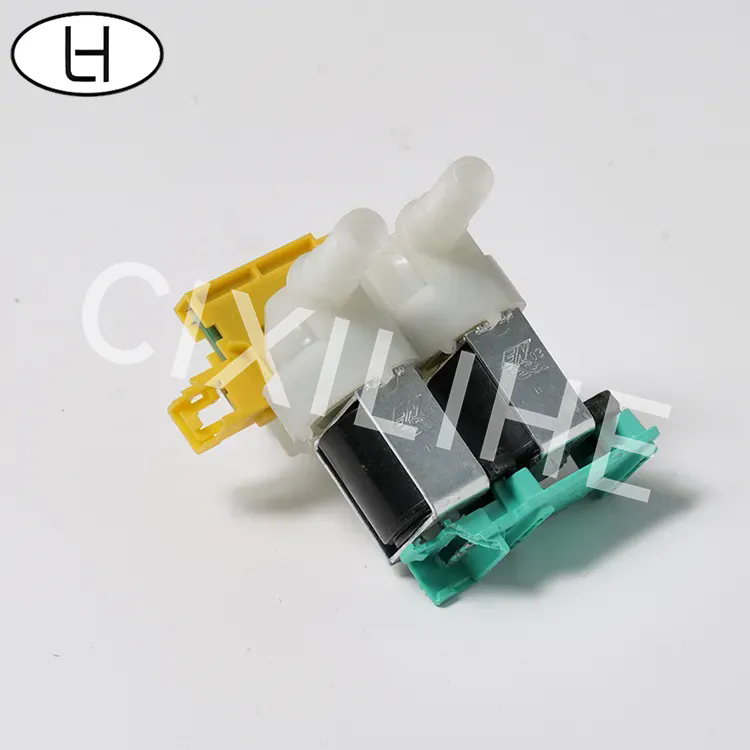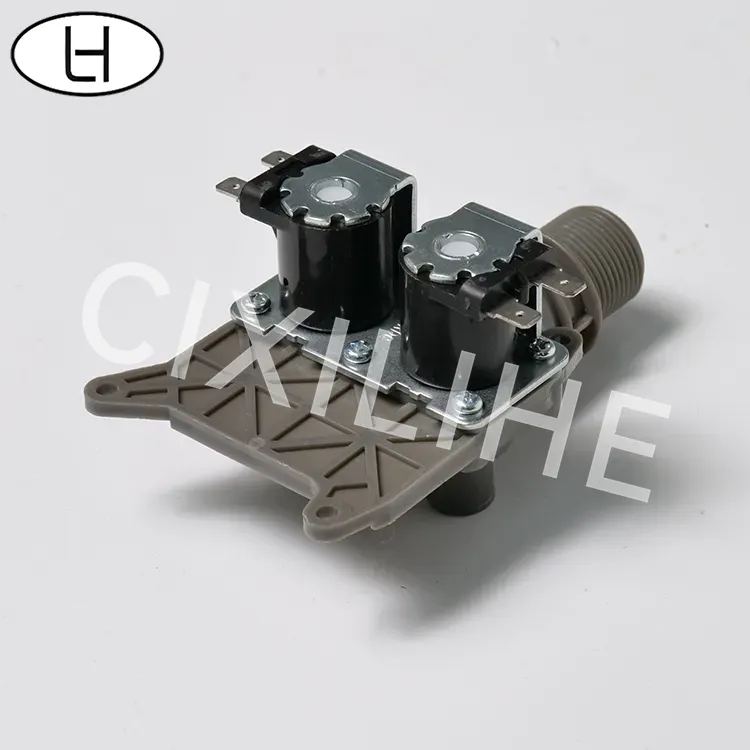

LIHE specializes in the research, development, and manufacturing of reliable washing machine components, including the Fully Automatic Washing Machine Solenoid Valve. Designed for stable water inlet control, fast response, low power consumption, and long operating life, this component supports both OEM production and replacement applications for fully automatic washing machines.
A washing machine solenoid valve is a small but essential component responsible for controlling the entry of water into the appliance. A properly designed valve must respond quickly to electrical signals, maintain stable water flow, prevent leakage, and withstand repeated operating cycles. LIHE's valve uses a dual-channel structure for independent hot and cold water control and is designed for AC100–240V, 50/60Hz applications. With a pressure range of 0.02–1.0 MPa, response time of no more than 0.1 seconds, operating noise of no more than 35 dB, and a tested service life of at least 100,000 cycles, it is designed for demanding washing machine applications.
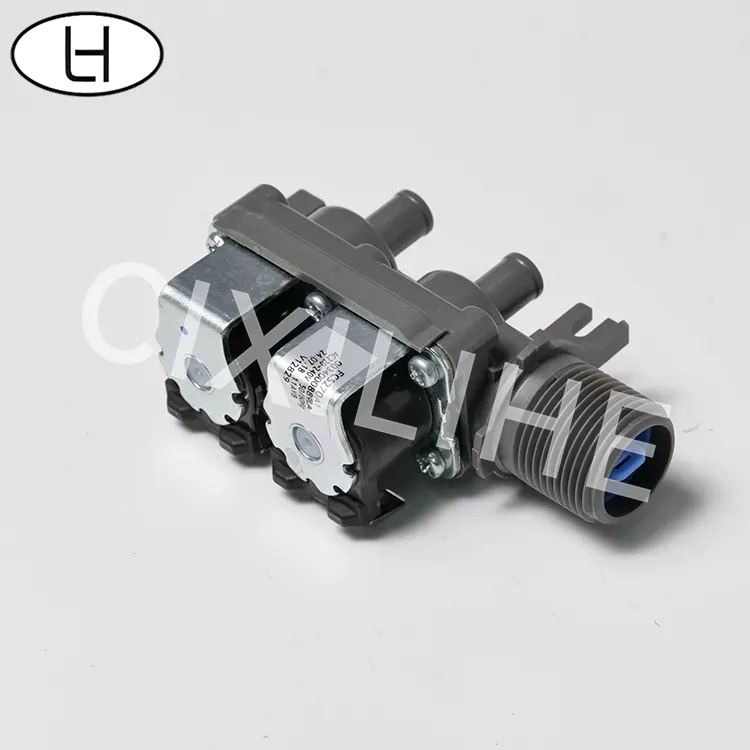
Table of Contents
- What Is a Fully Automatic Washing Machine Solenoid Valve?
- How Does a Washing Machine Solenoid Valve Work?
- What Specifications Matter When Selecting a Solenoid Valve?
- What Are the Key Features of the LIHE Valve?
- Where Is This Solenoid Valve Used?
- How Does Manufacturing and Quality Testing Affect Reliability?
- How Should a Washing Machine Solenoid Valve Be Installed and Maintained?
- How Can Buyers Select the Right Valve?
- Frequently Asked Questions
- How Can You Source a Reliable Solenoid Valve?
What Is a Fully Automatic Washing Machine Solenoid Valve?
A Fully Automatic Washing Machine Solenoid Valve is an electrically controlled water inlet component installed between the household water supply and the washing machine's internal water system. Its primary function is to open or close the water passage according to electrical signals generated by the washing machine control system.
Unlike a manually operated valve, a solenoid valve can automatically regulate water intake during different washing stages. When the control board sends an electrical signal to the coil, the electromagnetic force moves the internal plunger or related mechanism, opening the water passage. When the signal stops, the valve closes and helps prevent unwanted water flow.
For washing machines using both hot and cold water, a dual-channel design can independently control two water sources. This makes the valve particularly useful for fully automatic washing machine platforms requiring flexible water-temperature management.
LIHE's valve uses an ABS body with metal components and corrosion-resistant treatment, combined with copper coils for stable electrical and thermal performance. Its standard 3/4-inch connection thread also supports a wide range of washing machine inlet configurations.
How Does a Washing Machine Solenoid Valve Work?
The operating principle is based on electromagnetic control. The washing machine's electronic control system determines when water is required and sends power to the corresponding solenoid coil. The energized coil generates a magnetic field that moves the internal mechanism and allows water to pass through.
The basic operating sequence can be summarized as follows:
- The washing machine control system detects the need for water.
- An electrical signal is delivered to the selected solenoid coil.
- The coil generates electromagnetic force.
- The internal plunger opens the relevant water channel.
- Water enters the washing machine at the required flow rate.
- When the programmed water level is reached, the electrical signal stops.
- The valve closes to interrupt water flow.
A fast response time is important because inaccurate or delayed water control can affect washing-cycle timing. LIHE specifies a response time of ≤0.1 seconds, helping the valve respond rapidly to control signals during normal operation.
What Specifications Matter When Selecting a Solenoid Valve?
Buyers should evaluate more than the external appearance of a replacement valve. Electrical compatibility, water pressure, connection dimensions, flow-control structure, operating temperature, noise, and expected service life all influence practical performance.
| Specification | LIHE Valve Parameter | Why It Matters |
|---|---|---|
| Product Code | IV043 | Helps identify the correct product configuration |
| Rated Voltage | AC100–240V, 50/60Hz | Supports broad electrical application requirements |
| Water Pressure | 0.02–1.0 MPa | Defines the recommended operating pressure range |
| Medium Temperature | 0–100°C | Indicates the specified fluid temperature range |
| Response Time | ≤0.1 seconds | Supports rapid water-flow control |
| Rated Power | ≤5W | Helps limit electrical energy consumption |
| Operating Noise | ≤35 dB | Suitable for household appliance environments |
| Service Life | ≥100,000 cycles | Provides a reference for repeated operation |
| Connection Thread | 3/4 inch | Supports common washing machine connection requirements |
| Body Material | ABS + metal components | Balances structural performance and corrosion resistance |
Specifications should always be checked against the original washing machine valve, machine model, installation dimensions, and electrical requirements before ordering replacement components.
What Are the Key Features of the LIHE Valve?
For OEM manufacturers, spare-parts distributors, and appliance maintenance companies, consistency is an important consideration. The following characteristics make this type of valve suitable for repeated washing machine operation:
- Dual-channel water control: Separate channels can independently manage hot and cold water intake.
- Wide voltage compatibility: The specified AC100–240V, 50/60Hz range supports different electrical requirements.
- Copper coil construction: Copper coils are used to support stable electrical and thermal performance.
- Low power consumption: Rated power is specified at no more than 5W.
- Rapid response: The specified response time is ≤0.1 seconds.
- Leak-control design: Sealing performance is tested across the specified pressure range.
- Low operating noise: The specified operating noise is ≤35 dB under the stated test condition.
- Long-cycle operation: Batch-level endurance testing is conducted at ≥100,000 cycles.
Where Is This Solenoid Valve Used?
The main application is automatic washing machine water inlet control. Depending on the machine configuration, the valve can be integrated into front-loading or top-loading platforms and used for OEM production or aftermarket replacement.
Typical application scenarios include:
- Fully automatic household washing machines
- Front-loading washing machine platforms
- Top-loading washing machine platforms
- OEM washing machine assembly
- Washing machine spare-parts distribution
- Aftermarket appliance repair and replacement
For manufacturers, a standardized inlet valve can simplify component sourcing and support production consistency. For replacement-part distributors, compatibility with multiple washing machine configurations can make inventory planning more flexible.
How Does Manufacturing and Quality Testing Affect Reliability?
Solenoid valves operate repeatedly throughout the service life of a washing machine, so manufacturing consistency is important. A valve must maintain electrical performance while also controlling pressurized water without unwanted leakage.
LIHE's production process includes copper coil winding and insulation treatment, ABS injection molding, metal insert integration, precision assembly of internal components, and automated terminal or connector welding.
Quality testing includes several checkpoints:
- Coil resistance testing
- Electrical insulation testing
- Sealing pressure holding testing
- Water-flow verification
- Response-time verification
- Operating-noise measurement
- Batch-level cycling endurance testing
The product page specifies a sealing test range of 0.02–1.0 MPa with zero-leakage acceptance criteria. The stated batch endurance test is conducted at ≥100,000 cycles. LIHE also operates under an ISO 9001:2015 quality management system, with CE, RoHS, and CQC certifications listed for the product.
How Should a Washing Machine Solenoid Valve Be Installed and Maintained?
Correct installation is essential because the component combines electrical connections with pressurized water. Before installation, both the washing machine power supply and water source should be disconnected.
Recommended Installation Steps
- Disconnect the washing machine from electrical power.
- Close the water supply and release water pressure.
- Inspect and flush the inlet pipe to remove scale or debris.
- Install the valve in the correct orientation.
- Secure the valve using appropriate tightening torque.
- Connect the water hoses firmly.
- Verify that the electrical supply matches the valve specification.
- Restore water supply and carefully inspect every connection for leakage.
For routine maintenance, the inlet filter should be checked and cleaned periodically. LIHE recommends cleaning the inlet filter every six months to help maintain consistent water flow. Operating pressure and temperature should remain within the specified ranges.
How Can Buyers Select the Right Valve?
Whether purchasing for OEM production or replacement inventory, buyers should confirm compatibility before placing an order. The following checklist can reduce the risk of selecting an unsuitable component:
- Confirm the washing machine model and valve configuration.
- Check the original valve's rated voltage.
- Confirm whether a single-channel or dual-channel design is required.
- Measure the connection thread and mounting dimensions.
- Verify the required water pressure range.
- Check hose orientation and outlet configuration.
- Evaluate expected operating cycles and service conditions.
- For OEM projects, confirm wire harness, terminal, color, logo, and packaging requirements.
For bulk procurement, buyers should also consider MOQ, lead time, sample availability, packaging requirements, warranty terms, and technical support. LIHE states that MOQ is negotiable, trial orders are accepted, and typical production lead time is 15–30 days depending on order volume.
Frequently Asked Questions
What is the difference between a dual-channel and single-channel washing machine solenoid valve?
A dual-channel valve provides two independently controlled water inlet channels, which can be used for hot and cold water management. A single-channel valve controls only one water source.
What voltage does the LIHE washing machine solenoid valve support?
The specified rated voltage is AC100–240V at 50/60Hz. Buyers should still verify the electrical specification of the original washing machine and valve before installation.
How long can the valve operate?
The product specification lists a service life of ≥100,000 cycles under the stated test conditions. Actual service life can vary according to water quality, pressure, temperature, operating frequency, and maintenance conditions.
What are common signs of a defective washing machine solenoid valve?
Common symptoms may include failure to fill with water, continuous water flow when the machine is switched off, abnormal buzzing or humming, inconsistent water intake, or visible damage and corrosion. Professional inspection is recommended before replacing the component.
Can LIHE provide OEM customization?
Yes. Available customization options include wire harness length, terminal type, housing color, logo printing, and packaging design. Buyers can provide their required specifications and estimated order quantity for evaluation.
What certifications are available?
The product information lists CE, RoHS, and CQC certifications, while the manufacturing quality system follows ISO 9001:2015 requirements. Certification documents can be requested when required for procurement or compliance review.
How Can You Source a Reliable Solenoid Valve?
A dependable washing machine inlet component should combine electrical compatibility, stable water control, suitable materials, consistent manufacturing, and documented testing. For OEM manufacturers, distributors, and appliance-parts buyers, these factors are especially important when planning repeat orders and long-term supply.
LIHE provides Fully Automatic Washing Machine Solenoid Valve solutions with OEM customization, sample evaluation, quality testing, export packaging, and technical support. If you are sourcing washing machine inlet valves for production, replacement, or wholesale distribution, contact us with your required voltage, channel configuration, connection dimensions, estimated quantity, and customization requirements to discuss a suitable solution.