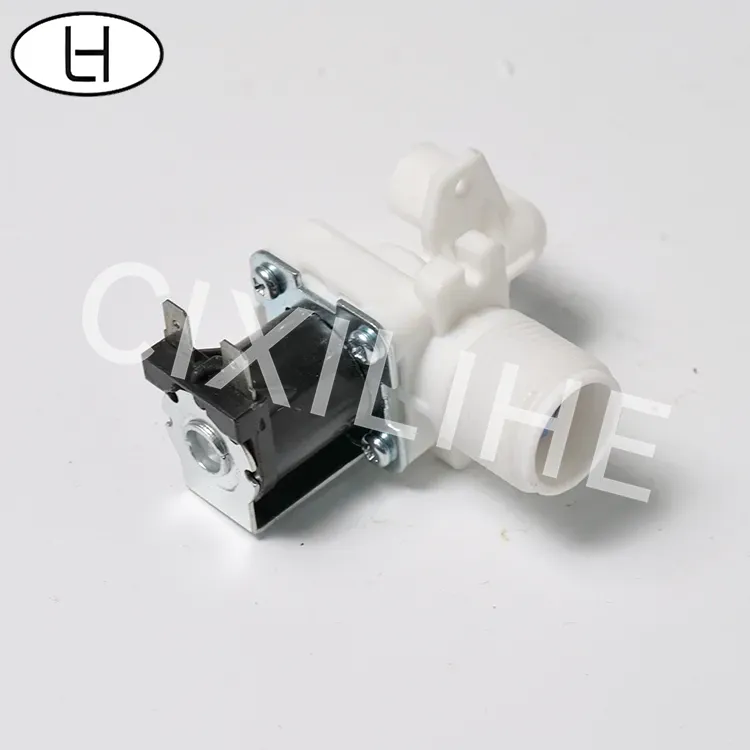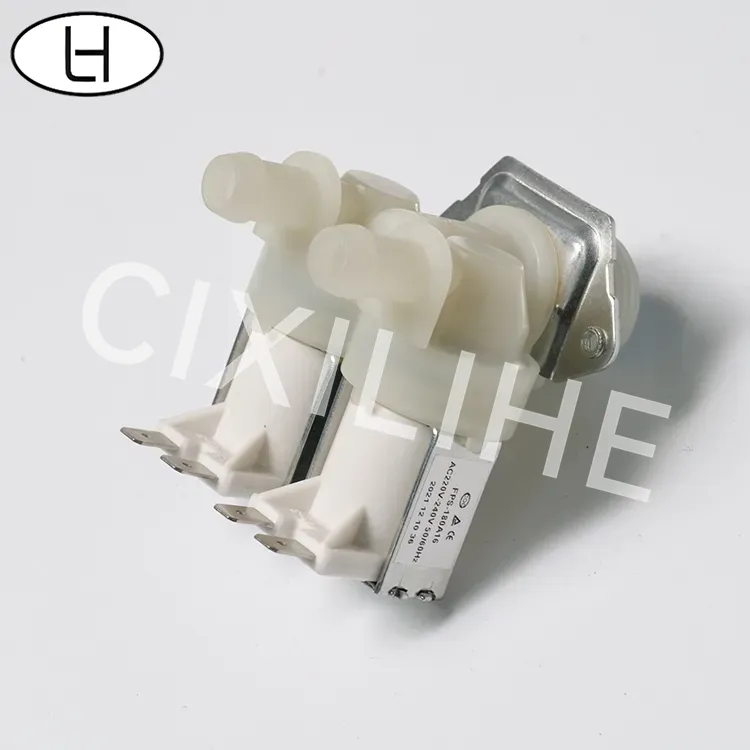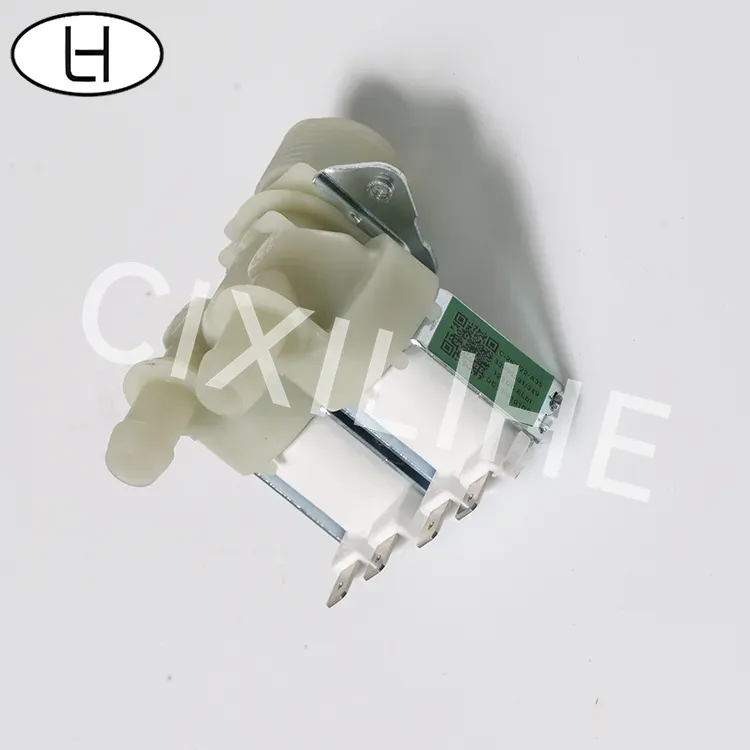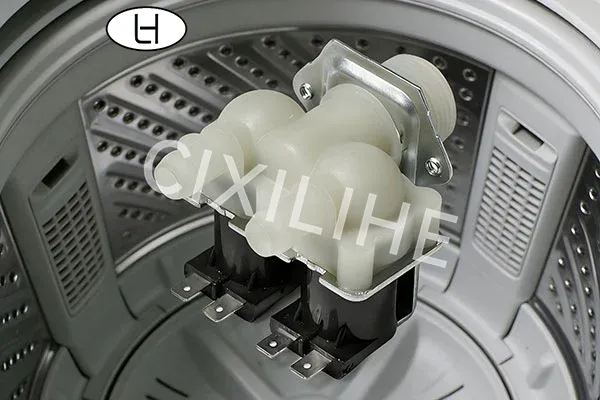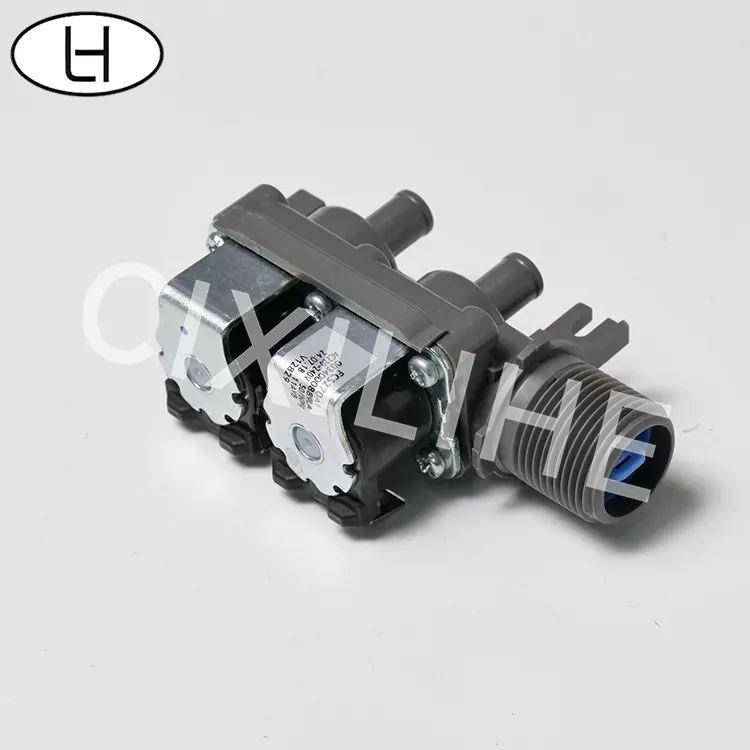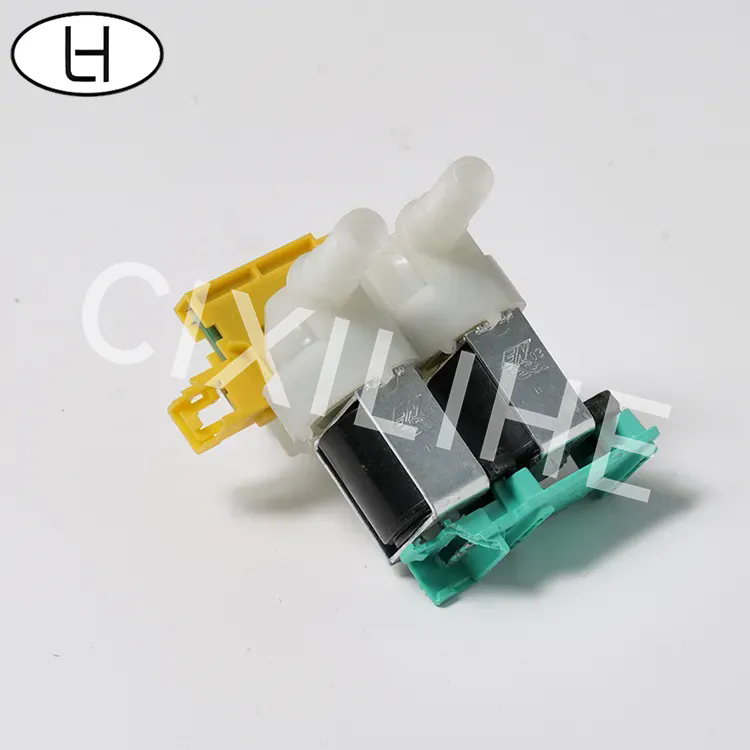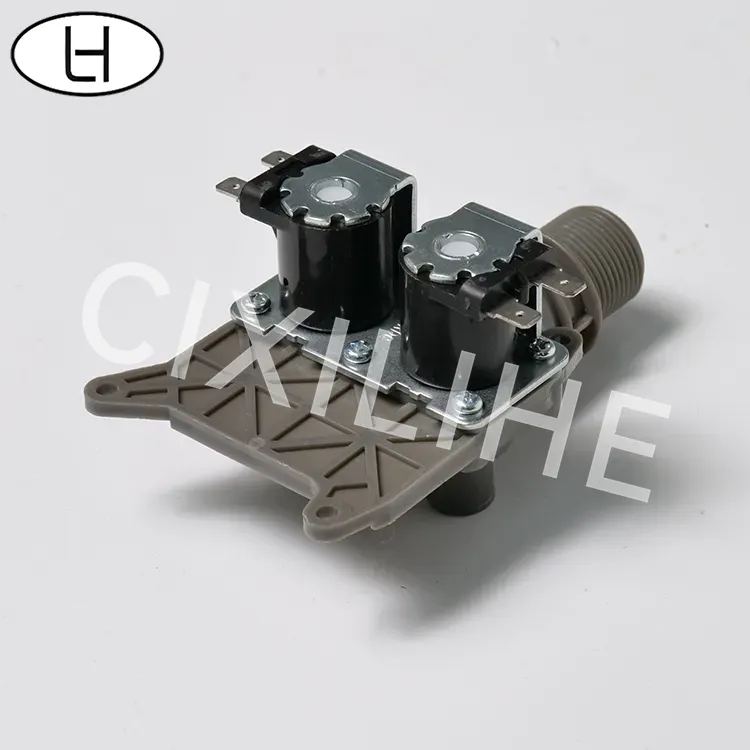

Lihe manufactures the Fully Automatic Washing Machine Solenoid Valve for stable water inlet control in modern washing machines. Designed with dual independent channels, copper coils, corrosion-resistant materials, and rapid response performance, this component supports reliable water management for OEM production, appliance maintenance, and replacement applications.
A washing machine depends on accurate water control to complete washing, rinsing, and temperature-management cycles correctly. The solenoid valve acts as an electrically controlled gateway between the water supply and the washer. When the control system sends an electrical signal, the valve opens or closes the water passage according to the programmed washing cycle. A dependable valve therefore needs electrical stability, fast response, reliable sealing, appropriate pressure resistance, and long service life. This article explains how a modern solenoid valve works, which technical specifications matter when selecting one, how quality testing affects reliability, and what buyers should consider when sourcing valves for OEM or replacement applications.
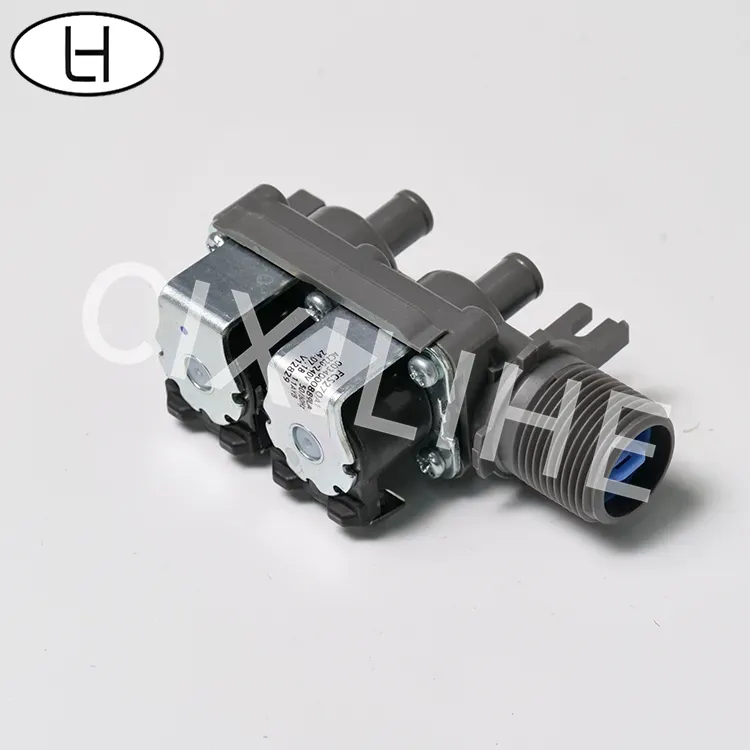
Table of Contents
- What Is a Fully Automatic Washing Machine Solenoid Valve?
- How Does a Washing Machine Solenoid Valve Work?
- Which Technical Specifications Matter Most?
- What Are the Key Performance Benefits?
- How Does Manufacturing and Quality Testing Affect Performance?
- How Should Buyers Select the Right Valve?
- What Installation and Maintenance Practices Are Recommended?
- Why Is OEM Customization Important?
- Frequently Asked Questions
- Conclusion
What Is a Fully Automatic Washing Machine Solenoid Valve?
A washing machine solenoid valve is an electrically operated water control component installed between the household water supply and the appliance. Unlike a manually operated valve, it responds automatically to electrical signals from the washing machine control system.
In fully automatic washers, the valve controls when water enters the appliance. A dual-channel configuration can independently manage two water inlet paths, making it suitable for washing machines that require separate hot and cold water control.
The main components generally include:
- Solenoid coil: Converts electrical energy into electromagnetic force.
- Plunger: Moves according to the electromagnetic field to open or close the water passage.
- Diaphragm and sealing components: Help regulate water flow and prevent leakage.
- Valve body: Provides structural protection and connection points.
- Inlet and outlet connections: Link the valve to the washer's water supply system.
For appliance manufacturers and spare-parts distributors, selecting the correct valve is important because electrical compatibility, water pressure, connection dimensions, flow characteristics, and sealing performance all affect the finished washing machine.
How Does a Washing Machine Solenoid Valve Work?
The operating principle is relatively simple but requires precise engineering. When the washing machine controller determines that water is needed, it sends an electrical signal to the corresponding solenoid coil. The energized coil generates a magnetic field that moves the internal plunger and changes the position of the water passage.
When the required amount of water has entered the washer, the controller stops the electrical signal. The magnetic force disappears and the internal mechanism returns to its closed position, stopping the water supply.
A fast-response valve can help the washing machine controller execute programmed water-inlet operations more accurately. For the referenced Lihe model, the stated response time is ≤0.1 seconds, while the dual-channel configuration allows separate control of two water inlet paths.
This operating sequence makes the solenoid valve a relatively small component with an important role in the overall water-management system.
Which Technical Specifications Matter Most?
When sourcing a washing machine inlet solenoid valve, buyers should evaluate more than appearance or connection size. Electrical specifications, pressure range, operating temperature, noise, service life, and material construction can all influence compatibility and long-term performance.
| Specification | Lihe IV043 Reference | Why It Matters |
|---|---|---|
| Rated Voltage | AC100–240V, 50/60Hz | Determines electrical compatibility with the washer control system. |
| Water Pressure | 0.02–1.0 MPa | Defines the recommended operating pressure range. |
| Medium Temperature | 0–100°C | Indicates the specified temperature range of the water medium. |
| Response Time | ≤0.1s | Supports rapid opening and closing during programmed cycles. |
| Rated Power | ≤5W | Helps control electrical consumption during operation. |
| Operating Noise | ≤35dB | Helps maintain quieter household appliance operation. |
| Service Life | ≥100,000 cycles | Provides a reference for repeated opening and closing operations. |
| Connection Thread | Standard 3/4 inch | Important for mechanical installation and system compatibility. |
| Body Material | ABS + metal components | Supports structural performance and corrosion resistance. |
Specifications should always be checked against the original appliance design before an order is confirmed. A technically capable valve may still be unsuitable if its mounting dimensions, electrical connector, wiring configuration, or water-channel arrangement does not match the target machine.
What Are the Key Performance Benefits?
Dual-Channel Water Control
A dual-channel design provides two independently controlled water paths. This is particularly useful for washing machines that need separate hot and cold water inlet management.
Fast Electromagnetic Response
A response time of ≤0.1 seconds allows the valve to react quickly to control signals. Fast response can contribute to more precise water-inlet operations during automated washing cycles.
Low-Power Coil Design
The reference model uses a copper coil and has a rated power of ≤5W. A properly engineered coil needs to maintain stable electromagnetic performance while managing heat generation during repeated operation.
Leak-Resistant Construction
Reliable sealing is essential because a washing machine valve may remain connected to pressurized water even when the appliance is not actively washing. Proper diaphragm and sealing design helps prevent unwanted water flow.
Wide Electrical Compatibility
The AC100–240V, 50/60Hz rating provides broad electrical adaptability for suitable appliance platforms. However, buyers should still verify the exact electrical requirements of the target machine before installation.
How Does Manufacturing and Quality Testing Affect Performance?
Solenoid valves combine electrical, mechanical, and fluid-control functions. Quality control therefore needs to cover more than visual inspection. A structured production process can help identify electrical, sealing, flow, and noise problems before products reach customers.
The manufacturing process described for the Lihe valve includes copper coil winding, insulation treatment, ABS injection molding, metal-component integration, internal component assembly, and automated terminal or connector welding.
Important quality checks include:
- Coil resistance testing.
- Electrical insulation testing.
- Pressure-holding and sealing tests.
- Water-flow verification.
- Response-time verification.
- Operating-noise measurement.
- Batch-level endurance testing.
For industrial buyers, these checks provide useful evidence when evaluating a component supplier. Certifications and quality-management systems can also support supplier qualification, especially for OEM purchasing programs. The referenced product page states CE, RoHS, CQC, and ISO 9001:2015-related compliance information.
How Should Buyers Select the Right Valve?
Choosing a replacement or OEM valve should begin with the original appliance requirements rather than simply searching by appearance.
- Check voltage: Confirm the rated voltage and frequency.
- Check the number of channels: Determine whether the washer requires single or dual water inlet control.
- Confirm thread dimensions: Compare the inlet connection with the original component.
- Verify pressure requirements: Make sure the working water pressure falls within the valve's rated range.
- Compare mounting dimensions: Physical fit is essential for replacement applications.
- Check electrical connectors: Terminal type and wire harness configuration can vary between appliance platforms.
- Review material and sealing requirements: These factors matter in environments with frequent water exposure.
- Request samples for OEM projects: Sample testing can reduce compatibility risks before mass production.
What Installation and Maintenance Practices Are Recommended?
Correct installation is essential for both electrical safety and water-tight performance. Before replacing or installing a solenoid valve, disconnect the washing machine from its electrical supply and shut off the water source.
Recommended practices include:
- Flush the water inlet pipe to remove debris and scale.
- Check the inlet filter before connecting the valve.
- Secure the valve without applying excessive mechanical force.
- Confirm that hoses and threaded connections are firmly installed.
- Verify electrical voltage before reconnecting power.
- Restore water pressure gradually and inspect every joint for leakage.
- Clean the inlet filter periodically, particularly in hard-water areas.
Maintenance requirements can vary according to water quality, operating pressure, usage frequency, and appliance design. Regular inspection can help identify scale buildup, abnormal noise, leakage, or inconsistent water flow before these issues develop into larger system problems.
Why Is OEM Customization Important?
Washing machine manufacturers may use different connectors, wire lengths, housing configurations, mounting arrangements, and branding requirements. A standard valve may therefore require modification before entering an OEM production line.
For OEM projects, customization can include:
- Wire harness length.
- Terminal configuration.
- Housing color.
- Logo printing.
- Packaging design.
- Specific mechanical or electrical requirements.
Flexible MOQ arrangements and sample evaluation can also be valuable for buyers developing a new appliance platform or qualifying an alternative component supplier.
Frequently Asked Questions
1. What is the main function of a washing machine solenoid valve?
The valve controls the entry of water into the washing machine by opening or closing the water passage in response to electrical signals from the appliance control system.
2. What is the difference between a single-channel and dual-channel valve?
A single-channel valve controls one water inlet path, while a dual-channel valve provides two independently controlled inlet paths. Dual-channel configurations are useful for machines requiring separate hot and cold water control.
3. What are common signs of a defective inlet solenoid valve?
Typical symptoms include failure to fill, continuous water entry when the appliance is switched off, abnormal buzzing or humming, inconsistent water flow, leakage, or visible damage to the valve body.
4. How long can a washing machine solenoid valve last?
Service life depends on water quality, pressure, temperature, operating frequency, installation quality, and maintenance. The referenced Lihe IV043 specification states a service life of ≥100,000 cycles under its specified test condition.
5. Can a dual-channel valve replace any washing machine inlet valve?
No. Buyers should verify voltage, connector configuration, mounting dimensions, thread size, number of water channels, pressure range, and the original appliance's technical requirements before replacement.
6. Does Lihe support OEM customization?
Yes. Available customization options include wire harness length, terminal types, housing color, logo printing, and packaging design, subject to project requirements and technical evaluation.
7. What certifications are available?
The referenced product information lists CE, RoHS, and CQC certifications and states that the manufacturing quality system follows ISO 9001:2015 requirements. Buyers can request applicable certification documentation during supplier qualification.
Conclusion
A reliable water inlet valve is a small but essential component in a fully automatic washing machine. Electrical compatibility, response time, pressure resistance, sealing performance, material selection, service life, and manufacturing quality should all be considered when choosing a supplier or replacement component.
For appliance manufacturers, importers, spare-parts distributors, and OEM buyers, working with an experienced factory can simplify product qualification and customization. If you are sourcing washing machine inlet components, developing a new appliance platform, or looking for an OEM replacement solution, contact us to discuss your voltage, connection, channel configuration, quantity, and customization requirements and request a suitable quotation or sample.